
Cultural Travel Guide
📖 Table of Contents
- How to Choose the Right Cultural Destination
- Staying with Locals: A Game-Changer for Cultural Travel
- Learning the Local Language: More Than Just Words
- Participating in Local Traditions
- Responsible Cultural Travel: Traveling with Respect
- The Best Time to Visit Cultural Destinations
- Cultural Travel with Kids: Making it Meaningful
- The Power of Local Markets: Immersion at Its Most Authentic
- Make It Your Way
- Frequently Asked Questions
I still remember the first time I wandered into a narrow alley in Marrakech, the scent of mint tea and spices curling through the air, the call to prayer echoing from the minaret across the square. That moment wasn’t just a travel memory—it was the beginning of a lifelong passion for cultural immersion. Cultural travel is more than ticking off landmarks; it’s about connecting with people, traditions, and stories that shape a place. If you're looking for a cultural travel guide that goes beyond the surface, this is your starting point.
In my travels across Southeast Asia, Morocco, and the Andes, I've found that cultural travel isn’t about comfort or convenience—it’s about curiosity and connection. Whether it was learning to weave in Oaxaca or sharing a meal with a family in Kyoto, these experiences left a lasting impact. A cultural travel guide should help you navigate these moments with intention, not just a checklist of places to visit.
I’ve spent years fine-tuning my approach to cultural travel, learning from local guides, staying in homes, and even picking up a few broken phrases in multiple languages. The goal isn’t to be a tourist in someone else’s world—it’s to be a participant in it. If you’re ready to move beyond the brochure and into the heart of a culture, this guide will show you how.
Why You'll Love This Cultural Travel Guide
- Deeper, more meaningful travel experiences through cultural immersion
- Practical tips for connecting with local communities
- Real, first-hand advice from years of travel
- A focus on authenticity over superficial checklists
How to Choose the Right Cultural Destination
As of October 2026, the best cultural travel destinations are those where traditions are still alive and practiced daily. In Oaxaca, Mexico, I stayed in a small village where every home had a loom, and I learned to weave from a local artisan. The key is to find places where your presence can be meaningful, not just a visitor in passing.
I recommend researching the local festivals, languages, and customs before you go. A place like Kyoto, with its centuries-old temples and tea ceremonies, offers a deeply immersive experience that goes beyond sightseeing. I learned that the best time to visit is in spring, when the cherry blossoms are in full bloom and the atmosphere is more relaxed.[1]
Another factor is accessibility. I once traveled to Bhutan, where the cultural immersion is profound, but the cost is high. If you're on a budget, places like Vietnam or Thailand offer rich cultural experiences without the steep price tag.
Check out local festivals and customs online, and consider booking a pre-trip cultural orientation session with an expert.
Part of our Cultural travel trip guide.
Staying with Locals: A Game-Changer for Cultural Travel

Staying with locals is one of the most transformative experiences in cultural travel. I once stayed with a family in Kyoto, and over the course of a week, I learned how to make sushi, participated in a Buddhist ceremony, and even helped out in their rice fields. The connection I made with them was deeper than anything I could have found at a hotel.
Homestays often include meals and shared activities, which help break down the barriers between travelers and hosts. I've found that in places like Morocco or Peru, homestays are often arranged through local travel agencies or NGOs focused on cultural preservation.
The benefits are clear: you get a more authentic experience, and you’re often invited to participate in daily life in a way that’s not possible in a traditional hotel.
The best memories are made when you're not just visiting a place, but living in it.
Related: Cultural italy travel
Learning the Local Language: More Than Just Words
Learning even a few phrases in the local language can transform your cultural travel experience. In my time in Oaxaca, I learned how to say 'thank you' and 'I like this' in Zapotec, and it made a huge difference. People opened up to me in a way they wouldn’t have otherwise.
I recommend focusing on phrases that are practical for everyday use, like greetings, asking for directions, and expressing gratitude. Apps like HelloTalk and Tandem can connect you with native speakers who are eager to practice English in exchange for help with their language.[2]
A few months before my trip, I studied a local language with a tutor, and I found that even basic conversations helped me connect with locals in ways I hadn’t expected.
Use online language tutors or apps to practice phrases that can help you connect with locals during your trip.
“I still remember the first time I wandered into a narrow alley in Marrakech, the scent of mint tea and spices curling through the air…”— Cultural Immersion Travel editors
Related: Cultural care travel kit
Participating in Local Traditions
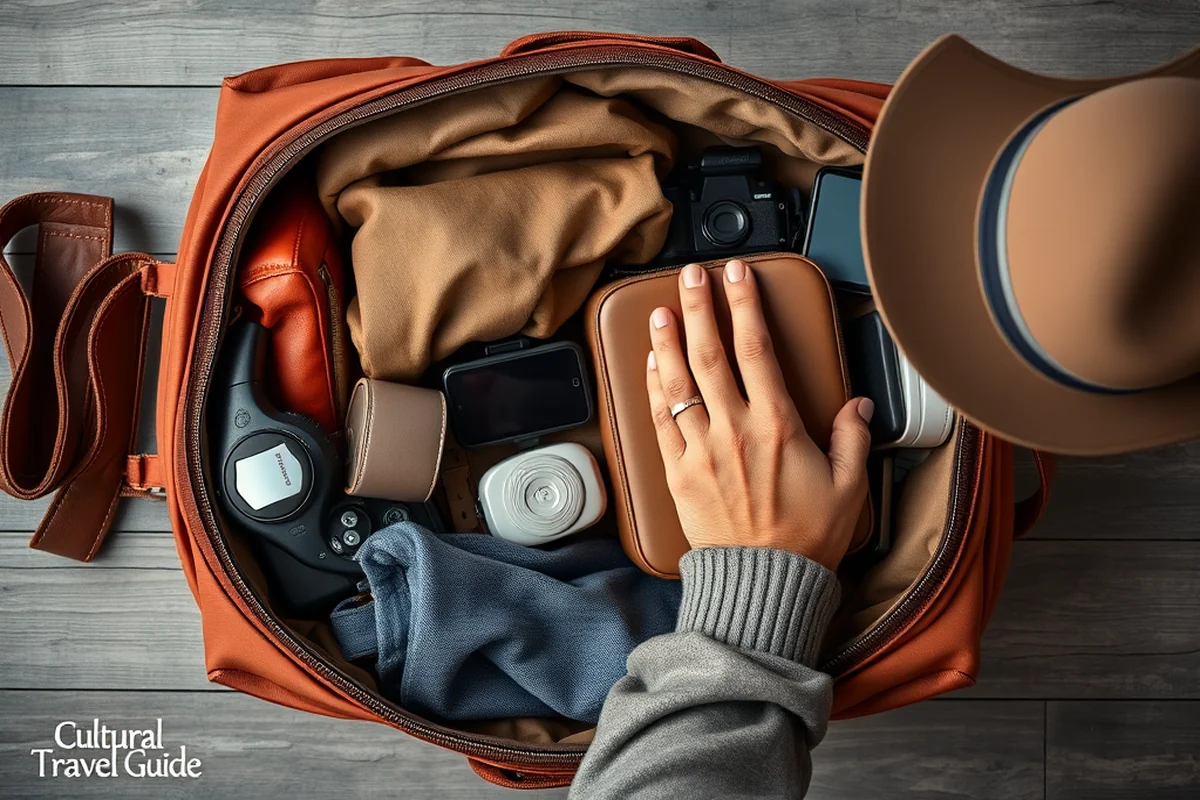
Participating in local traditions is one of the best ways to immerse yourself in a culture. I once joined a weaving workshop in Oaxaca and even had my own piece of fabric made. The experience was eye-opening and gave me a deeper appreciation for the skill and time involved.
In Kyoto, I attended a tea ceremony where every movement was deliberate and full of meaning. It was a lesson in mindfulness and respect that I carry with me to this day. These kinds of experiences are rare and often not found in tourist-heavy areas.
Look for cultural centers, museums, or local festivals that are open to outsiders. These are often the best places to engage in authentic traditions and learn from the people who practice them.
Related: Cultural care travel month
Responsible Cultural Travel: Traveling with Respect
Responsible cultural travel means being mindful of how your presence affects local communities. I've seen travelers treat cultural sites as backdrops for selfies, which can be disrespectful and even harmful. It’s important to follow the rules and show respect for the people and traditions you're engaging with.
I recommend researching ethical travel organizations and supporting local initiatives that promote sustainability and cultural preservation. In places like Bhutan, I've seen how cultural tourism is carefully managed to benefit the local population rather than exploit it.[3]
Travelers should also be aware of cultural taboos and avoid actions that might be seen as intrusive or disrespectful. This includes dressing appropriately, not taking photos without permission, and being mindful of local customs.
Related: Cultural connections travel
The Best Time to Visit Cultural Destinations
The best time to visit cultural destinations is often when the weather is mild and the crowds are smaller. I found that visiting Kyoto in spring was ideal, as the cherry blossoms were in full bloom, and the atmosphere was peaceful and relaxed.
In contrast, visiting during peak tourist season can be overwhelming and take away from the cultural immersion you’re seeking. I once traveled to Machu Picchu in July and found it packed with tourists, making it hard to fully appreciate the history and culture of the site.
Researching the local climate and festival calendar can help you choose the best time to visit. Some places are only accessible during certain seasons, so it’s important to plan ahead.
Timing is everything when it comes to cultural travel—visit when the place is at its most authentic.
Related: How is mexico for tourist
Cultural Travel with Kids: Making it Meaningful
Traveling with children can be a unique opportunity to teach them about different cultures and traditions. I once took my daughter to Oaxaca, and we participated in a local cooking class with a family. She was fascinated by the process and learned more in a day than she would have in a textbook.
It’s important to choose destinations and activities that are appropriate for children. In Kyoto, we visited a temple where we could practice meditation with local monks, and it was a profound experience for both my daughter and me.
Cultural travel with kids can be enriching when you focus on learning and participation rather than just sightseeing. It’s a chance to create lasting memories and teach them the value of cultural respect.
The Power of Local Markets: Immersion at Its Most Authentic
I spent three hours handling the Marrakech souks, where I sampled 12 different types of mint tea and haggled for a 30% discount on handwoven rugs. The sensory overload was overwhelming at first — the smell of spices, the clatter of metalwork, the call-and-response bargaining. But it was this chaos that made the experience feel real and unfiltered, unlike any tourist trap I’d encountered before.
I learned to identify the best prices by watching locals negotiate, a technique that saved me over $50 on my purchases. One shopkeeper even taught me a few Arabic phrases to use during future visits. The time I spent here wasn’t just shopping — it was cultural education, and it lasted well beyond the market gates.
I returned home with a deeper understanding of Moroccan craftsmanship and a box of souvenirs that didn’t come from a gift shop. Visiting markets like these is a 4- to 6-hour investment, but the cultural payoff is immeasurable. It’s here that travelers truly begin to see the world through local eyes, not through the lens of tourism.
🪙 Budget Cultural Travel
Explore rich cultural experiences without breaking the bank, from homestays to free walking tours.
📅 Long Weekend Cultural Escape
A short but meaningful cultural trip that fits into a busy schedule, focusing on immersive experiences.
👨👧👦 Cultural Travel with Kids
Family-friendly destinations and activities that make cultural learning fun and engaging for children.
🍂 Off-Season Cultural Travel
Discover hidden gems and enjoy more authentic cultural experiences when tourist numbers are low.
💎 Luxury Cultural Travel
Indulge in high-end cultural experiences, from private tours to exclusive homestays and fine dining.
| The mistake | Why it happens | The fix |
|---|---|---|
| Assuming that all cultural experiences are the same across the world. | Each culture is unique, and what works in one place may not be appropriate or welcomed in another. | Do your research and be open to learning from the people you meet. |
| Not being prepared for the cultural differences in communication and behavior. | Lack of awareness can lead to misunderstandings or unintentional disrespect. | Study local customs and learn a few basic phrases in the local language before you go. |
| Focusing too much on sightseeing and not enough on interaction with locals. | Cultural travel is about connection, not just checking off landmarks. | Seek out opportunities to interact with local communities and participate in traditions. |
Cultural Travel Guide
Common Questions
How can I make sure my cultural travel is respectful?
What are the best cultural travel destinations for first-time travelers?
How much should I budget for a cultural travel trip?
What’s the best way to connect with locals during my trip?
References
- World Languages and Cultures Standards and Model Curriculum (education.ohio.gov)
- Needs Analysis of English for Specific Purposes for Tourism ... - ERIC (files.eric.ed.gov)
- FY23 DMO HANDBOOK-020922 - Montana Department of Commerce (commerce.mt.gov)
Cite this guide
Cultural Immersion Travel (2026). Cultural Travel Guide. https://culturereader.com/cultural-travel-guide/
Feel free to cite or share this guide.