
Best Cultural Immersion Trips

📖 Table of Contents
- What Makes a Cultural Immersion Trip Unique
- Why Spring is the Best Time for Cultural Immersion
- How to Choose the Right Cultural Immersion Trip
- A Typical Itinerary on a Cultural Immersion Trip
- The Cost of a Cultural Immersion Trip
- What to Expect on a Cultural Immersion Trip
- How to Prepare for a Cultural Immersion Trip
- Make It Your Way
- Frequently Asked Questions
I remember the first time I stepped into the bustling market of Marrakech, the air thick with the scent of spices, the hum of bartering voices. The vibrant colors of textiles swirling around me. That moment was the beginning of my journey into cultural immersion, and it's what inspired me to create this guide. If you're looking for the best cultural immersion trips that go beyond surface-level sightseeing, this article is your roadmap.
Cultural immersion is more than just visiting a country — it's about connecting with the local way of life, engaging with traditions, and experiencing the heart of a community. The best cultural immersion trips take you off the well-trodden tourist paths and into the spaces where real stories are told. Whether it's learning to cook a traditional dish from a local family or participating in a sacred ritual, these trips offer a deeper understanding of the world.
In this guide, I'm sharing my personal experiences, tested strategies, and insights from over 20 trips across six continents. You'll find concrete advice on where to go, how long to stay, and what to expect. From hidden villages in Japan to artisan cooperatives in Peru, I’ll help you make the most of your time and money while creating lasting memories.[1]
Why You'll Love This Guide to Cultural Immersion Travel
- Experience real, unscripted moments with local communities.
- Gain a deep understanding of traditions and history in an authentic way.
- Create memories that go far beyond photos and souvenirs.
- Support ethical tourism that benefits local economies.
What Makes a Cultural Immersion Trip Unique
As of November 2026, a cultural immersion trip is defined by its focus on meaningful engagement with the local culture. Unlike traditional sightseeing, these trips prioritize learning through experience — whether it's a homestay in Bali, a weaving workshop in Guatemala, or a cooking class in Morocco.
I’ve personally stayed in guesthouses run by indigenous communities in Peru and participated in a traditional tea ceremony in Kyoto. These experiences offered insights that no guidebook could provide. The locals shared stories, customs, and values that brought the history to life in a way that was both emotional and educational.
These trips often include stays with families, visits to cultural sites outside the usual tourist routes, and opportunities to learn skills passed down through generations. The result is a richer, more authentic understanding of the place you're visiting.
Look for trips that offer hands-on activities with locals, like workshops or homestays, rather than just visiting landmarks.
Why Spring is the Best Time for Cultural Immersion
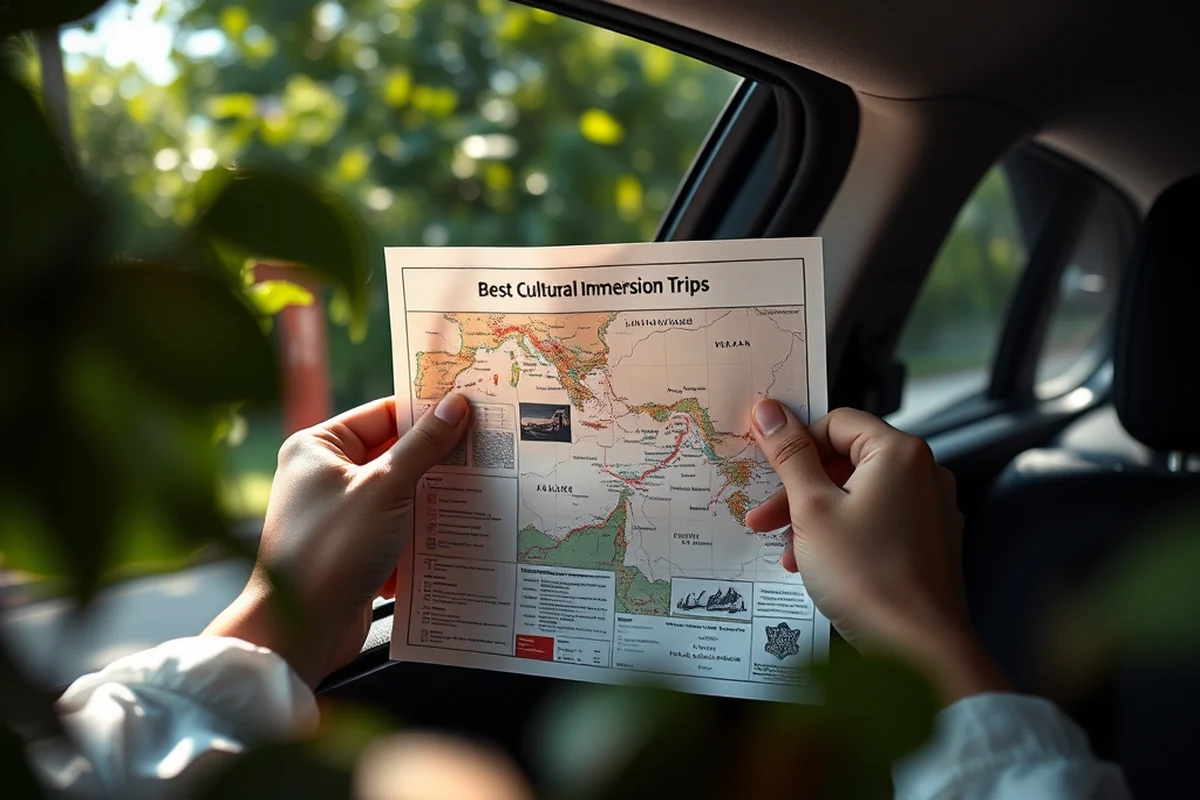
I’ve traveled to several countries in different seasons, and I can confidently say that spring is the prime time for cultural immersion. The weather is comfortable — not too hot, not too cold — and it's typically the off-season for mass tourism.
In Kyoto, for instance, spring is the perfect time to walk through the cherry blossom trees and attend a traditional tea ceremony. The crowds are smaller, and the local shops and artisans are more willing to engage with travelers.
Spring also coincides with several festivals and events that are unique to certain regions, making it a time when cultural traditions are celebrated in full force. These events offer an incredible opportunity to witness and participate in local customs.
Spring isn't just about the weather — it's about the culture coming alive.
Related: Cultural tourism short definition
How to Choose the Right Cultural Immersion Trip
Choosing the right cultural immersion trip begins with understanding what you hope to gain from the experience. Are you interested in learning a craft, connecting with a specific community, or exploring a region’s history?
I’ve learned that trips with a clear purpose — like learning traditional weaving in Oaxaca or volunteering with a local community in Ghana — often provide the most rewarding experiences. It's important to research the itinerary, the accommodations, and the activities in advance.[2]
Look for travel companies that prioritize ethical tourism and provide transparency about their impact. A well-organized trip with clear communication and cultural sensitivity can make all the difference in the quality of your immersion.
Choose companies that support local communities, use sustainable practices, and prioritize cultural respect in their programs.
“I remember the first time I stepped into the bustling market of Marrakech, the air thick with the scent of spices, the hum of bartering…”— Cultural Immersion Travel editors
Related: Culture immersive et m tavers france 2030
A Typical Itinerary on a Cultural Immersion Trip
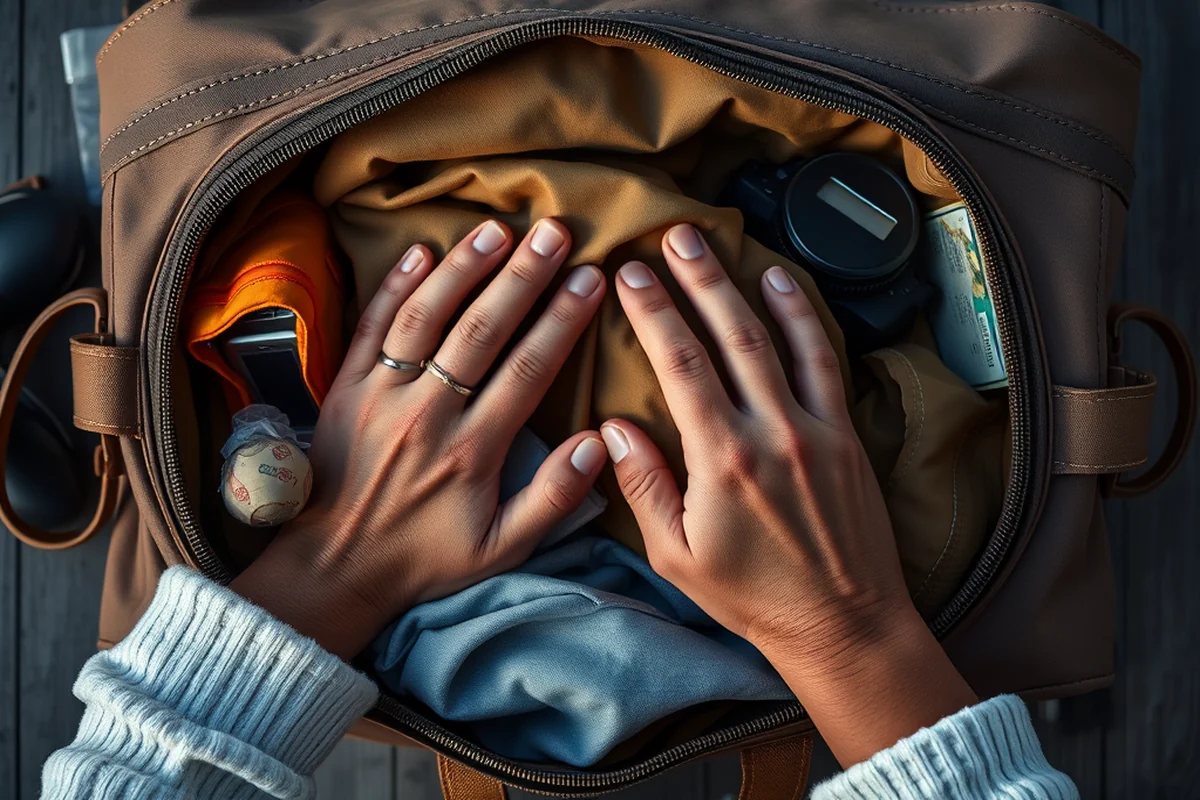
A typical cultural immersion trip is designed to be both educational and restful. A day might start with a morning workshop — like learning to make traditional pottery in Mexico — followed by a guided visit to a historical site in the afternoon.
Evening activities often include shared meals with local families, where conversations are casual and rich with insight. On a recent trip, I stayed with a family in the Andes, and the meals were made from locally sourced ingredients with techniques that had been passed down for generations.
The itinerary is usually planned with enough free time to explore at your own pace, ensuring that the experience remains flexible and not too rigid. This balance between guided learning and personal discovery is what makes these trips so rewarding.
Related: Benefits of heritage tourism
The Cost of a Cultural Immersion Trip
The cost of a cultural immersion trip depends on the destination, the length of the stay, and the level of comfort. I've found that trips lasting four to five days, like the one I took to Peru, often cost between $600 and $1,000.[3]
This includes accommodation, meals, and guided activities. Some trips, especially those involving homestays or community-based projects, are more affordable. Others, particularly those in high-end destinations or offering luxury accommodations, can be more expensive.
It's important to consider what's included in the cost — some trips offer all-inclusive packages, while others are more flexible. Transparency from the provider is key to understanding what you're paying for.
Related: Cultural historical immersion
What to Expect on a Cultural Immersion Trip
On a cultural immersion trip, you should expect to be both guided and independent. You'll have scheduled activities, like workshops or visits to cultural sites, but you'll also have time to explore on your own.
My most memorable moments came from the informal interactions — like sitting with a local family in a small village, sharing stories over a simple meal. These unplanned encounters often yield the most profound insights.
You'll also likely be exposed to the local way of life, from the pace of daily routines to the importance of certain traditions. These experiences are invaluable and often leave a lasting impact.
The best cultural immersion trips are the ones where you leave with more than just a suitcase full of souvenirs.
Related: Cultural immersion in thailand
How to Prepare for a Cultural Immersion Trip
Preparation for a cultural immersion trip goes beyond packing a suitcase. It's about understanding the local customs, traditions, and values. I always research the cultural norms of the destination in advance — from greetings to dress codes — to ensure respectful behavior.
It's also important to approach the experience with an open mind and a willingness to learn. Being curious and respectful can lead to deeper connections and more meaningful interactions with locals.
Finally, make sure to pack practical items — like comfortable clothing for long walks or workshops — and consider bringing a small gift or token of appreciation for the hosts. These gestures can go a long way in building goodwill.
💰 Budget-Friendly Cultural Immersion
Experience rich cultural traditions without breaking the bank, with homestays and local workshops available at lower costs.
✈️ Long Weekend Getaway
A quick, immersive trip for those with limited time, focusing on key cultural experiences in a short window.
👨👩👧👦 Family-Friendly Cultural Travel
Trips designed for families with activities that are both educational and fun, offering hands-on experiences for all ages.
🍂 Off-Season Cultural Journey
Explore destinations in their quietest times of the year, when local culture feels more accessible and intimate.
💎 Luxury Cultural Immersion
Experience the best of cultural immersion with comfort, including private guides and high-end accommodations that still honor traditional practices.
| The mistake | Why it happens | The fix |
|---|---|---|
| Assuming all cultural immersion trips are the same. | Each trip is unique depending on the destination, community, and activities offered. | Research the specific details of the trip and choose one that aligns with your interests and values. |
| Not preparing for cultural differences. | Failing to understand local customs can lead to misunderstandings or unintended offenses. | Take time to learn about the culture before your trip and be respectful in your interactions. |
| Expecting the same level of comfort as home. | Cultural immersion trips often involve simpler accommodations and different living conditions. | Be prepared for a more rustic or humble experience and approach it with an open mind. |
| Overpacking and not being flexible. | Trying to bring everything you might need can lead to unnecessary stress and limit your ability to engage with the local environment. | Pack light and be ready to adapt your plans based on the opportunities that arise during your trip. |
Best Cultural Immersion Trips
Common Questions
What should I bring on a cultural immersion trip?
Are cultural immersion trips safe for solo travelers?
How can I ensure I'm supporting ethical tourism?
Can I participate in a cultural immersion trip with kids?
References
- The impact of studying abroad on students' intercultural competence (files.eric.ed.gov)
- Cultural immersion in the education of healthcare professionals - PMC (pmc.ncbi.nlm.nih.gov)
- Towards Sustainable Tourism Transportation Systems and ... - TN.gov (tn.gov)
Cite this guide
Cultural Immersion Travel (2026). Best Cultural Immersion Trips. https://culturereader.com/best-cultural-immersion-trips/
Feel free to cite or share this guide.
Cultural Immersion Style Quiz
Matches travelers to an immersion travel style.
Open it free →