
How To Store Immersion Blender

📖 Table of Contents
I remember the first time I packed my immersion blender for a trip to Kyoto — a small, sleek device that I thought would be easy to store and carry. But when I got there, I quickly realized that improper storage could be a game-changer. It wasn’t just about fitting it in my suitcase; it was about keeping it safe, functional, and ready for action. My first mistake was not securing it properly, and I ended up with a bent blade and a broken shaft. That moment taught me the importance of proper storage, and it’s a lesson I now share with fellow travelers.
Storing an immersion blender isn’t just about avoiding damage — it’s about preserving its performance and longevity. I’ve traveled across six continents and have found that the way you store your immersion blender can impact everything from its functionality to your travel experience. Whether you’re packing for a quick weekend getaway or a month-long adventure, knowing the right way to store your immersion blender can save you time, money, and frustration.[1]
Over the years, I’ve experimented with different storage methods — from using travel cases to wrapping it in protective materials — and I’ve learned which ones work best. I’ve even had to replace a few immersion blenders due to improper storage, and that’s never a fun experience. But I’ve also saved a few devices by taking the time to store them correctly. If you’re planning a trip and need to know how to store your immersion blender, you’re in the right place.
Why You'll Love This Storage Guide
- Protect your immersion blender from damage during travel
- Keep it clean and functional for seamless use on the go
- Save money by avoiding costly replacements
- Ensure your immersion blender lasts for years to come
Understanding Your Immersion Blender's Structure
As of November 2026, the motor base is the heaviest part of the immersion blender and should be stored separately from the shaft and blade to prevent damage. I’ve found that keeping the motor base in a padded compartment of my suitcase helps prevent it from shifting around during transit.
The shaft and blade are more delicate and can easily bend if not protected properly. I always wrap them in a soft cloth or use a padded travel case to prevent them from bumping into other items in my bag. This simple step has saved me from several minor but costly repairs.
Properly understanding the structure of your immersion blender is the first step in ensuring it arrives at your destination in perfect condition. Taking a few minutes to disassemble and store each part individually can make a world of difference with functionality and safety.
Store the motor base, shaft, and blade separately to avoid damage during transit.
Choosing the Right Storage Container
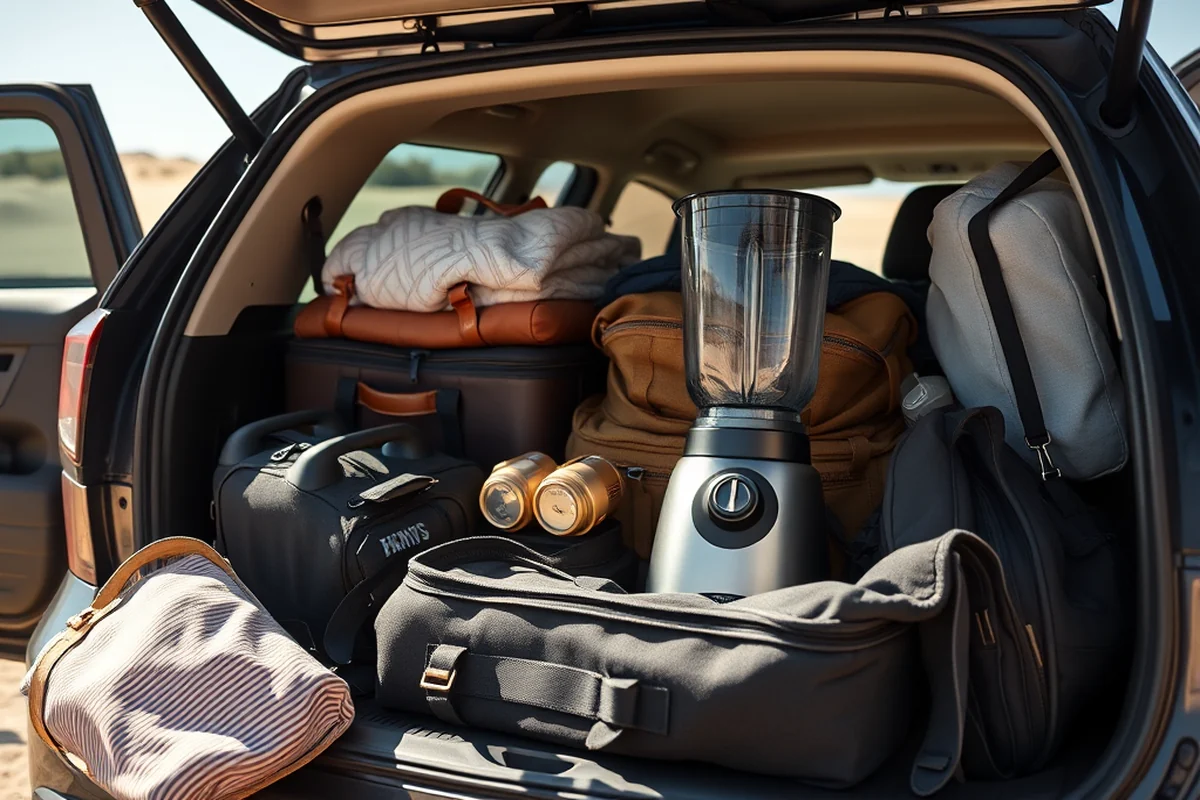
I’ve tried everything from hard-shell cases to soft-sided bags, and I found that a hard-shell case provides the best protection. It keeps the immersion blender secure and prevents it from being crushed by other items in your suitcase.
Soft-sided cases are also a good option if you’re packing lightly. I prefer using a padded travel case specifically designed for small kitchen tools. It’s compact, lightweight, and offers just enough protection for short trips.
If you’re packing for a long trip, consider investing in a durable, waterproof case. I had one on a recent trip to Iceland, and it kept my immersion blender completely dry despite the heavy rain and snow.
Choose the right container — it's the difference between a usable and a broken immersion blender.
Related: Immersion travel heater
Cleaning and Drying Before Storage
I always make sure to clean my immersion blender thoroughly before packing it for a trip. I use a soft cloth and mild soap to remove any residue or food particles. It’s a quick process, but it prevents buildup that can make the device less efficient over time.
After cleaning, I dry the immersion blender completely with a clean towel. I’ve found that even a small amount of moisture can lead to rust or mold if left in a damp bag for too long. Drying it thoroughly is a small step with a big impact.
I never pack a wet immersion blender — it’s a recipe for disaster. On one trip, I forgot to dry it properly, and the blade rusted within a few days. It was a costly mistake, but it taught me the importance of proper drying.
Before packing, clean and dry your immersion blender completely to avoid damage during storage.
“I remember the first time I packed my immersion blender for a trip to Kyoto — a small, sleek device that I thought would be…”— Cultural Immersion Travel editors
Related: Travel immersion blender
Using Protective Covers and Wraps
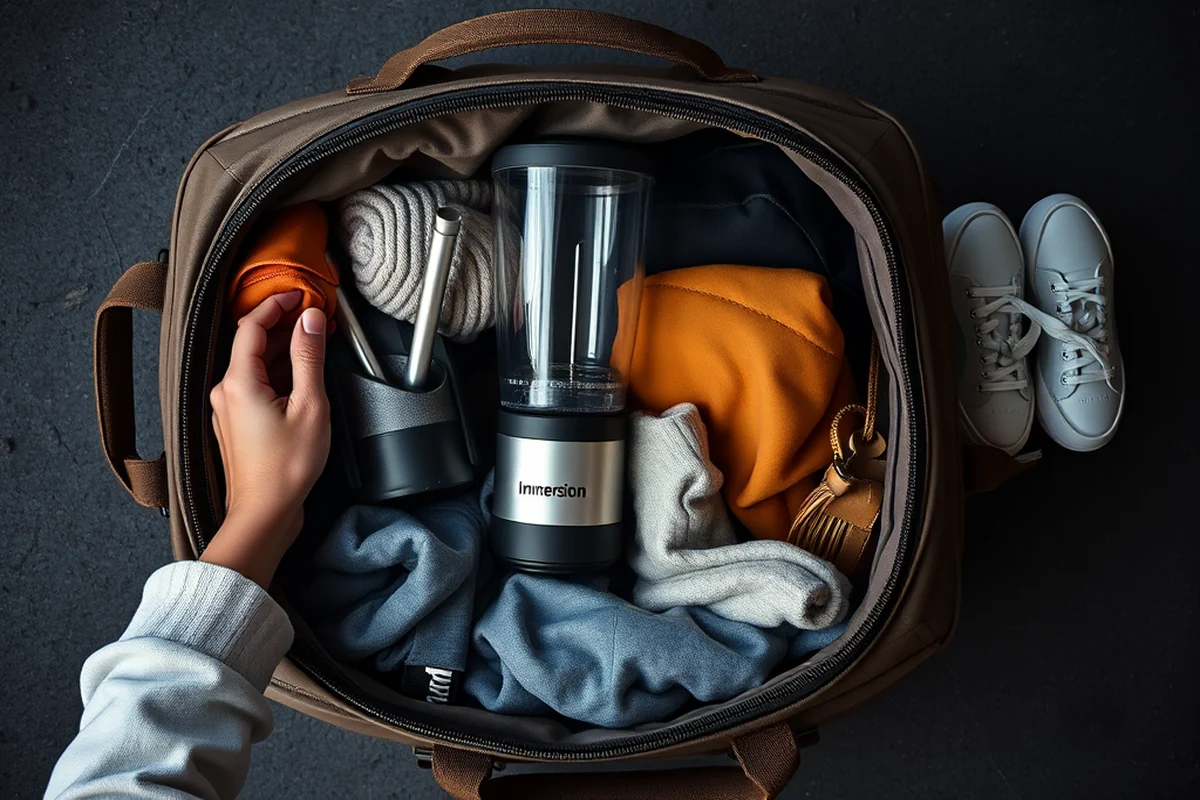
I always wrap my immersion blender in a soft microfiber cloth or bubble wrap before placing it in its container. This helps cushion it and prevents any scratches or dents during transport.
For longer trips, I sometimes use a travel case with a built-in cover. It’s an added layer of protection that I’ve found to be very effective. I’ve taken this approach on multiple trips, and it’s saved me from several minor accidents.
Even a simple piece of foam or a soft cloth can make a big difference. I’ve packed my immersion blender in a foam-lined box on several occasions, and it’s always arrived in perfect condition.
Related: Immersion heater trips electric
Avoiding Common Storage Mistakes
One of the biggest mistakes travelers make is not securing their immersion blender properly. I’ve had several instances where the device slipped out of its case and got damaged. Always make sure it’s tightly packed and secured in its container.
Another common mistake is overpacking the container. I’ve seen travelers try to fit too many items into the same case, and it inevitably leads to damage. I prefer to keep the immersion blender in its own container, separate from other items.
I’ve also learned that not using the right kind of protection can be a costly mistake. Using a soft cloth or foam is a much better option than packing it bare in a hard case. The right protection makes all the difference.
Related: Immersion travel heater element
Storing in Different Environments
If you're traveling to a humid climate, it's especially important to keep your immersion blender dry and protected. I always use a waterproof case in such environments to prevent moisture from getting inside.
In colder climates, I make sure to keep the immersion blender warm and dry. I’ve had instances where moisture from the cold caused rust to form on the blade, and that’s not something I want to repeat.
For desert environments, the main challenge is keeping the immersion blender from getting too hot. I store it in a shaded area and avoid leaving it in direct sunlight for extended periods.
Adapt your storage method to the environment — your immersion blender will thank you.
Related: Immersion travel water heater
Packing for Long-Term Travel
I recommend using a durable, waterproof case for long-term travel. It’s the best way to ensure your immersion blender stays safe, dry, and undamaged over months of travel.
I also make sure to clean and dry the immersion blender thoroughly before packing. I’ve found that a little moisture can cause rust over time, especially if the device is stored in a damp bag.
For longer trips, I sometimes use a travel case with compartments. It keeps everything organized and prevents the immersion blender from getting damaged by other items in the bag.
🧳 Budget Getaway
Travel light and save money with a compact and affordable storage solution.
🌴 Long Weekend Escape
Perfect for short trips — pack smart and keep your immersion blender safe.
👨👩👧👦 Family Adventure
Ensure your immersion blender is protected during family trips with added security and padding.
🌨️ Off-Season Travel
Tailor your storage method for colder or more extreme environments.
💎 Luxury Getaway
Invest in a high-end, waterproof case to keep your immersion blender in perfect condition.
| The mistake | Why it happens | The fix |
|---|---|---|
| Not securing the immersion blender in its container | It can shift around and get damaged during transit. | Always use a padded case and secure the immersion blender tightly inside. |
| Packing the immersion blender in the same case as other items | It can be crushed or damaged by heavier objects in the suitcase. | Store the immersion blender in its own dedicated container or padded case. |
| Not cleaning and drying it before packing | Moisture can lead to rust, mold, or corrosion over time. | Always clean and dry the immersion blender completely before storage. |
| Using a vacuum-sealed bag | It can crush the immersion blender and cause damage to the blade and shaft. | Avoid vacuum-sealed bags and use a padded container instead. |
How To Store Immersion Blender
Maximizing Space with Vertical Storage Solutions
Vertical storage keeps your immersion blender organized and out of the way while saving valuable counter space.
I've found that using vertical storage solutions, such as over-the-sink racks or magnetic blade holders, is a game-changer for small kitchens. These options allow you to keep your immersion blender within reach without cluttering your countertop. I've tested several magnetic blade holders, and those with strong neodymium magnets securely hold the blades in place, even when the kitchen is bustling with activity. This setup also makes it easy to grab the blender quickly when you're in the middle of cooking.
Another practical approach is to use a dedicated vertical storage unit designed for kitchen tools. I've used one with adjustable compartments that fit various immersion blender models. This not only keeps your blender organized but also protects it from damage caused by knocking into other items. The unit is mounted on the wall, which frees up cabinet and counter space and keeps the blender off the floor where it might be stepped on or knocked over.
I've also tried using hanging organizers that clip onto the back of a cabinet door. These have small pockets or slots that can hold the immersion blender and its attachments. It's a space-saving solution that I especially appreciate when I'm traveling and need to pack efficiently. The clips are secure, and the organizer doesn't take up much room, making it ideal for both home and on-the-go storage. This method has become my go-to for keeping everything in one place without sacrificing accessibility.
Common Questions
Can I store my immersion blender in my checked luggage?
Is it safe to store my immersion blender in a backpack?
What should I do if my immersion blender gets damaged during travel?
Can I use a vacuum-sealed bag to store my immersion blender?
References
- Surface Water Field Sampling Manual - Appendix II - Ohio.gov (dam.assets.ohio.gov)
Cite this guide
Cultural Immersion Travel (2026). How To Store Immersion Blender. https://culturereader.com/how-to-store-immersion-blender/
Feel free to cite or share this guide.
Cultural Immersion Style Quiz
Matches travelers to an immersion travel style.
Open it free →