
Cultural Heritage Travel
📖 Table of Contents
- What is Cultural Heritage Travel?
- Why Cultural Heritage Travel Matters
- How to Choose a Cultural Heritage Destination
- The Best Time to Travel for Cultural Heritage
- How to Prepare for a Cultural Heritage Trip
- The Impact of Cultural Heritage Travel
- How to Stay Safe While Traveling for Cultural Heritage
- Make It Your Way
- Frequently Asked Questions
I still remember the moment I stepped into the narrow, winding streets of Kyoto, where the scent of incense from ancient temples mingled with the crisp autumn air. It was my first foray into cultural heritage travel, and it changed how I see the world. I wasn’t just a tourist—I was a participant in a living, breathing history that had been preserved for centuries.
Cultural heritage travel isn’t just about ticking off monuments or snapping selfies in front of historical sites. It’s about immersing yourself in traditions, learning from local artisans, and understanding the stories that have shaped a place. I spent an afternoon in a Kyoto machiya house, watching a skilled calligrapher demonstrate the precise brush strokes used in centuries-old scrolls. The experience was humbling and unforgettable.
If you’re thinking about planning a trip that goes beyond the standard bucket list, cultural heritage travel offers a unique way to connect with the world. Whether you’re wandering through the ancient ruins of Machu Picchu or walking through the bustling souks of Marrakech, you’re not just seeing a destination—you’re experiencing its soul.
Why You'll Love This Travel Experience
- Deepen your understanding of history through immersive experiences
- Support local communities by engaging directly with artisans and storytellers
- Create memories that are more meaningful and long-lasting
- Discover hidden gems that aren’t found in typical travel guides
What is Cultural Heritage Travel?
As of October 2026, Cultural heritage travel is more than just visiting historic sites; it's about engaging with the people, traditions, and stories that define a place. I’ve stood in the shadow of the Great Wall of China and listened to a local storyteller recount the myths behind its construction. That moment made the history come alive in a way that no textbook could.
This kind of travel often includes interactions with local artisans, participation in traditional festivals, or even learning a few phrases in a local language. I once joined a weaving workshop in Oaxaca, Mexico, and was surprised by how rewarding it was to create something with my own hands while learning about the community’s rich textile heritage.
The goal isn’t just to see a place—it's to understand it. This kind of travel allows you to witness traditions that have been passed down through generations, often unchanged. Whether it's a tea ceremony in Japan or a dance performance in India, these experiences offer a window into the soul of a culture.
Research and book experiences that allow you to interact directly with local culture. Many destinations offer guided tours or workshops that provide deeper insights than a standard tour.[1]
Part of our Cultural travel trip guide.
Why Cultural Heritage Travel Matters
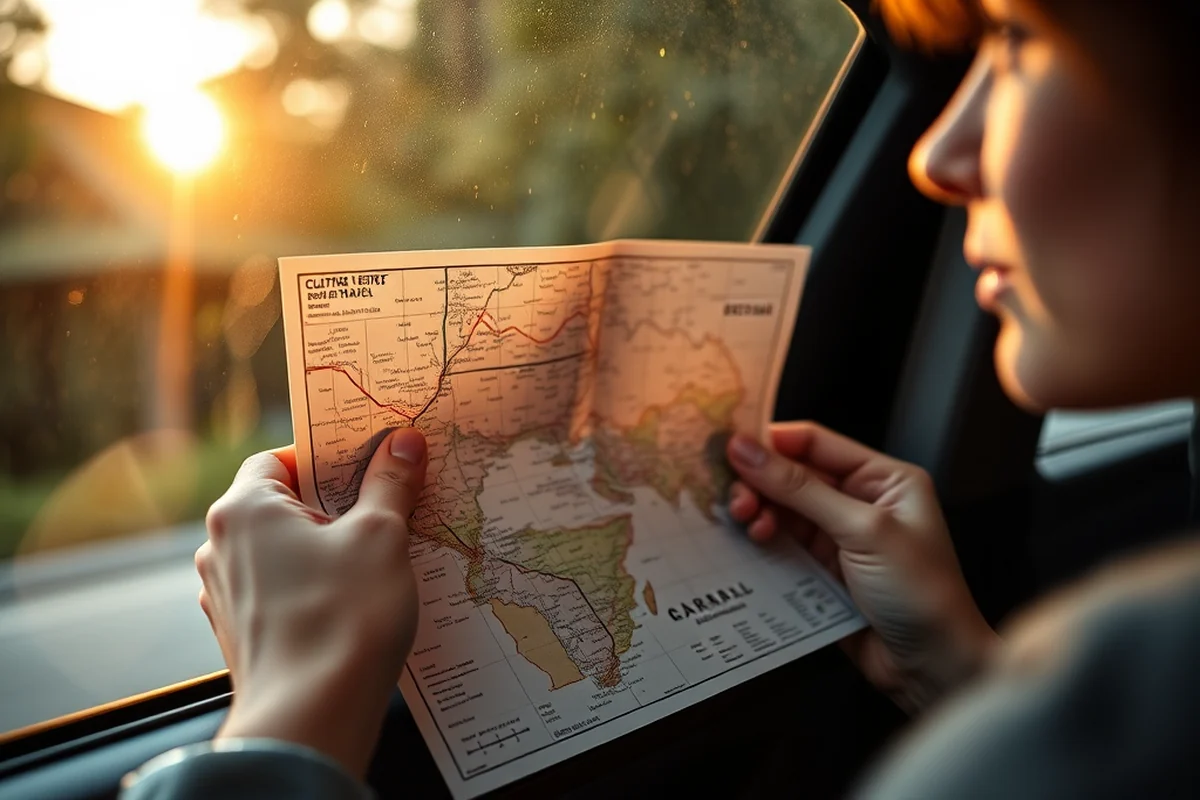
Cultural heritage travel isn’t just about enriching your own experience—it’s also about preserving the traditions and histories of the communities you visit. I’ve met many artisans who rely on tourism to keep their crafts alive. When I purchased a handwoven rug in Morocco, the weaver proudly showed me the intricate patterns that told stories about his family’s heritage.
By supporting local businesses and participating in cultural programs, travelers can play a role in sustaining traditions that might otherwise fade. I’ve noticed that in places where tourism is well-managed, communities are more likely to maintain their customs and pass them on to younger generations.
There’s also a personal benefit. Immersing yourself in the culture of a place can foster a deeper appreciation for the world’s diversity. I’ve learned that the people I’ve met on these trips often feel a sense of pride when sharing their heritage, and it’s a privilege to be part of that.
Traveling with purpose can help preserve the world’s most cherished traditions.
Related: Green cultural travel
How to Choose a Cultural Heritage Destination
Not all destinations offer the same level of cultural immersion. I’ve visited places where the experience felt more like a performance than a genuine reflection of local life. When choosing a destination, look for places where you can interact directly with the culture—whether through workshops, festivals, or community-led tours.
Kyoto, for example, offers a wealth of cultural experiences, from tea ceremonies to traditional dance performances. I once attended a Noh play, where the actors wore elaborate costumes and the storytelling was done in a way that felt centuries old. It was a surreal and unforgettable experience.
I’ve also found that smaller, less-visited towns and villages often preserve traditions that are more authentic. I spent a week in a remote village in the Italian Dolomites and was able to witness a centuries-old bread-baking ritual that wasn’t found in any guidebook.
Avoid travel packages that feel commercialized or scripted. Seek out experiences that are led by locals and are rooted in genuine tradition.
“I still remember the moment I stepped into the narrow, winding streets of Kyoto, where the scent of incense from ancient temples mingled with the…”— Cultural Immersion Travel editors
Related: Travel for cultural experience
The Best Time to Travel for Cultural Heritage

Timing is everything with cultural heritage travel. I’ve learned that visiting during festivals or seasonal events can offer a more immersive experience. In Japan, for example, spring is the perfect time to witness the cherry blossoms and participate in local festivals that celebrate the season.
In many parts of the world, the spring season is also when traditional festivals and cultural events take place. I attended the Holi festival in India during spring and was amazed by the vibrant colors and the energy of the celebration. It was a once-in-a-lifetime experience that I wouldn’t have had at any other time of year.
However, it’s important to research the best time to visit each destination. Some places may be more accessible during the off-season, while others are only open to visitors during certain months. Always check local calendars for cultural events and festivals.[2]
Related: Cultural immersion travel
How to Prepare for a Cultural Heritage Trip
Preparation is key to a successful cultural heritage trip. I always spend time researching the history and traditions of the places I visit. This helps me understand the context of what I’m experiencing and allows me to engage more deeply with local culture.
Learning a few basic phrases in the local language can also go a long way. When I visited Morocco, I was able to thank the locals in Arabic, and it was a small but meaningful gesture that was appreciated. I’ve also found that respectful behavior, such as dressing modestly in certain religious sites, can make a significant difference in the experience.
It’s also helpful to read up on the history of the places you’re visiting. I once went to the ancient city of Petra in Jordan and was amazed by the historical context that made the visit even more meaningful. Preparation helps you make the most of every moment.
Related: Cultural travel images
The Impact of Cultural Heritage Travel
Cultural heritage travel is not just a personal journey—it can also leave a lasting impact on the communities you visit. I’ve met many locals who expressed gratitude for the interest travelers show in their traditions. This kind of engagement can help ensure that these customs are preserved for future generations.
For travelers, the impact can be equally profound. I’ve found that immersing myself in a different culture has changed the way I see the world. It’s taught me to be more patient, more open-minded, and more curious about the lives of others.
In some cases, cultural heritage travel has also led to tangible benefits, such as increased tourism revenue that supports local economies. I visited a small town in Italy where tourism helped restore an ancient cathedral, and the local residents were proud of the work that had been done.
Traveling with respect can help bridge the gap between cultures.
Related: Cultural travel blog
How to Stay Safe While Traveling for Cultural Heritage
Safety is always a top priority when traveling, especially in places where cultural immersion can sometimes lead to unfamiliar situations. I’ve found that being informed about local customs and staying aware of my surroundings helps make my travels safer and more enjoyable.
I always research the local laws and customs before visiting a new place. This helps me avoid misunderstandings that could lead to problems. I once visited a village in India where I was told not to take photos of certain religious sites, and it was important to follow that rule to avoid offending the locals.[3]
In addition, I try to travel with local guides or community members who can help navigate cultural nuances. This not only makes the experience more authentic but also helps ensure that I’m treated with respect and can engage safely with the local culture.
💰 Budget Cultural Heritage Travel
Explore cultural heritage on a shoestring budget by opting for affordable accommodations and free or low-cost cultural experiences.
✈️ Long Weekend Cultural Heritage Getaway
Experience rich cultural heritage in just a few days by choosing destinations with a high density of cultural sites and easy access.
👨👩👧👦 Cultural Heritage Travel with Kids
Introduce children to the world’s traditions through interactive workshops, festivals, and hands-on cultural experiences.
🍂 Off-Season Cultural Heritage Travel
Discover hidden gems and enjoy fewer crowds by visiting cultural destinations during the off-season.
💎 Luxury Cultural Heritage Travel
Indulge in exclusive access to cultural sites, private tours with historians, and high-end accommodations that blend tradition with modern comfort.
| The mistake | Why it happens | The fix |
|---|---|---|
| Not researching local customs beforehand | Failing to understand local customs can lead to unintentional offenses or misunderstandings that may harm your experience and relationships with locals. | Take the time to research local traditions, dress codes, and etiquette before your trip to ensure a respectful and positive experience. |
| Overlooking the value of local guides | Local guides offer unique insights into cultural heritage that can be missed by travelers who rely solely on guidebooks or online resources. | Hire local guides or participate in community-led tours to gain a deeper understanding of the culture and its significance. |
| Assuming that all cultural experiences are the same | Each cultural heritage experience is unique and shaped by local history and traditions. Assuming that all experiences are similar can lead to a shallow understanding of the culture. | Approach each destination with an open mind and be willing to learn about the specific traditions and history that define the place. |
Cultural Heritage Travel
Common Questions
What should I wear when visiting cultural sites?
How can I support local communities during my travels?
Can I learn traditional crafts during my trip?
How can I find festivals and cultural events in a new destination?
References
- Study Abroad | Latrobe, PA | Saint Vincent College (stvincent.edu)
- Tourist Experiences at Overcrowded Attractions: A Text Analytics ... (pmc.ncbi.nlm.nih.gov)
- Prohibited and Restricted Items - U.S. Customs and Border Protection (cbp.gov)
Cite this guide
Cultural Immersion Travel (2026). Cultural Heritage Travel. https://culturereader.com/cultural-heritage-travel/
Feel free to cite or share this guide.