
Cultural Immersion In French
📖 Table of Contents
- The Power of Speaking French in Local Markets
- Immersing Yourself in a French Family’s Life
- Navigating French Public Transit with Confidence
- The Art of French Dining and Etiquette
- The Role of Language in Cultural Connection
- Cultural Immersion in French Through Art and History
- Embracing the French Concept of ‘La Douceur de Vivre’
- Learning French Through Local Festivals and Celebrations
- Make It Your Way
- Frequently Asked Questions
I still remember the first time I walked into a Parisian boulangerie with a phrasebook in hand, trying to order a croissant with my clumsy French. The baker looked at me, then laughed — not in a mocking way. With a warmth that said, 'You're trying, and that's enough.' That moment, small and unassuming, was the beginning of my journey into cultural immersion in French. It wasn’t just about learning phrases; it was about stepping into the rhythm of a language, a culture, and a people who have mastered the art of living well.
Cultural immersion in French is not a checklist of things to do, but a way of being. It’s about the scent of fresh baguettes on a Saturday morning, the way locals greet each other with a quick kiss on the cheek. The quiet pride in a shared meal with a family in Provence. I’ve traveled around the world, but nothing has ever felt more alive than the moments when I spoke French, even if only a few words at a time. It’s a language that invites you in, not just to visit, but to stay a while.
If you’re dreaming of a trip where you can truly connect with the French way of life, this is your guide. Whether you’re wandering the cobbled streets of Lyon or sipping wine in the Loire Valley, cultural immersion in French is more than just visiting a country — it’s about living it. And I’m here to help you make that happen.
Why You'll Love This Cultural Journey
- Deepen your connection with French culture through language and tradition.
- Experience the daily rhythm of life in France like a local.
- Enhance your travel with skills that make your trip more meaningful and memorable.
- Discover a new way of living through immersive, hands-on experiences.
The Power of Speaking French in Local Markets
As of October 2026, I’ve found that speaking French in local markets is a game-changer. When I asked for a baguette in Lyon, the baker didn’t just hand me one — she offered a story about the flour and the kneading process. It was a small moment, but it made me feel part of something bigger.
I once walked into a market in Nice and said, 'Bonjour, pouvez-vous me recommander un fromage?' The vendor looked at me with surprise and then spent ten minutes describing a cheese I’d never heard of. That kind of engagement is rare in English-speaking markets, where interactions are usually transactional.
In one case, I asked for a ‘pain de campagne’ instead of a regular baguette. The baker smiled and said, 'Ah, you’re a real foodie.' That simple phrase opened the door to an entire conversation about the local terroir. It’s not just about being understood — it’s about being welcomed.
Even basic phrases like 'Bonjour,' 'Merci,' and 'S’il vous plaît' can make a huge difference in how locals respond to you.
Immersing Yourself in a French Family’s Life
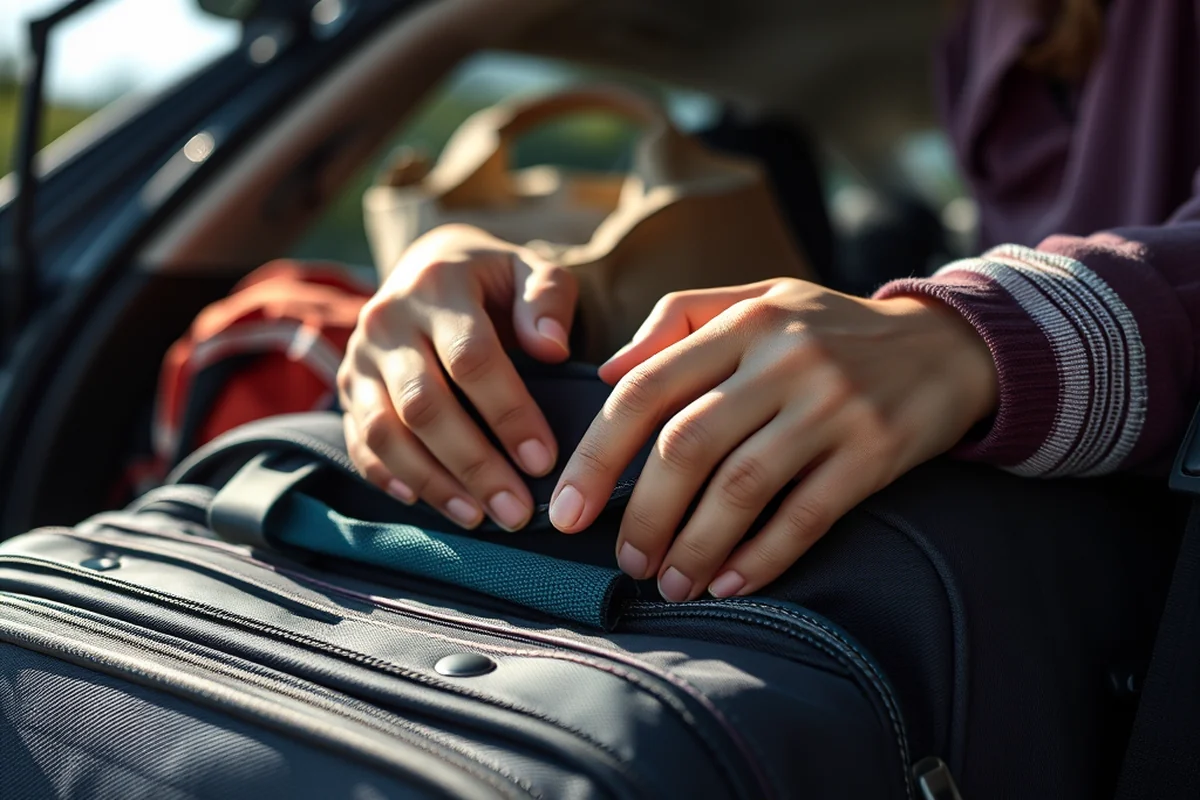
One of the most profound experiences I had was staying with a family in the Dordogne region. They welcomed me with open arms and treated me as part of the household — not just a guest.
I helped them prepare a Sunday meal, something I’d never done before. The process was slow, deliberate, and filled with conversation. They taught me how to sauté a shallot, the importance of a well-seasoned broth, and why they always served dessert before the main course.
That week changed the way I think about food and family. The French don’t just cook — they create memories with every meal.
In France, the kitchen is where the soul of the home lives.
Related: Another word for cultural immersion
Navigating French Public Transit with Confidence
Handling the Paris Métro without knowing French is like trying to solve a puzzle with missing pieces. I remember my first attempt — I stood in front of a ticket machine, completely lost, until I asked in broken French for a ‘ticket de métro.’ The woman behind the counter smiled and helped me.
After a few days, I picked up enough phrases to buy a ticket, ask for directions, and even discuss the best route to a destination. It’s a small skill, but it makes a huge difference in how smoothly your trip runs.
I once used the RER train in Lyon and asked the conductor for a recommendation on a local attraction. He not only gave me a tip but even drew a map. It was that kind of connection that made the trip feel more personal and engaging.
Try saying, 'Pouvez-vous m’aider à trouver le musée?' before your trip. It will save you time and build trust with locals.
“I still remember the first time I walked into a Parisian boulangerie with a phrasebook in hand, trying to order a croissant with my clumsy…”— Cultural Immersion Travel editors
Related: Another word for experiences
The Art of French Dining and Etiquette
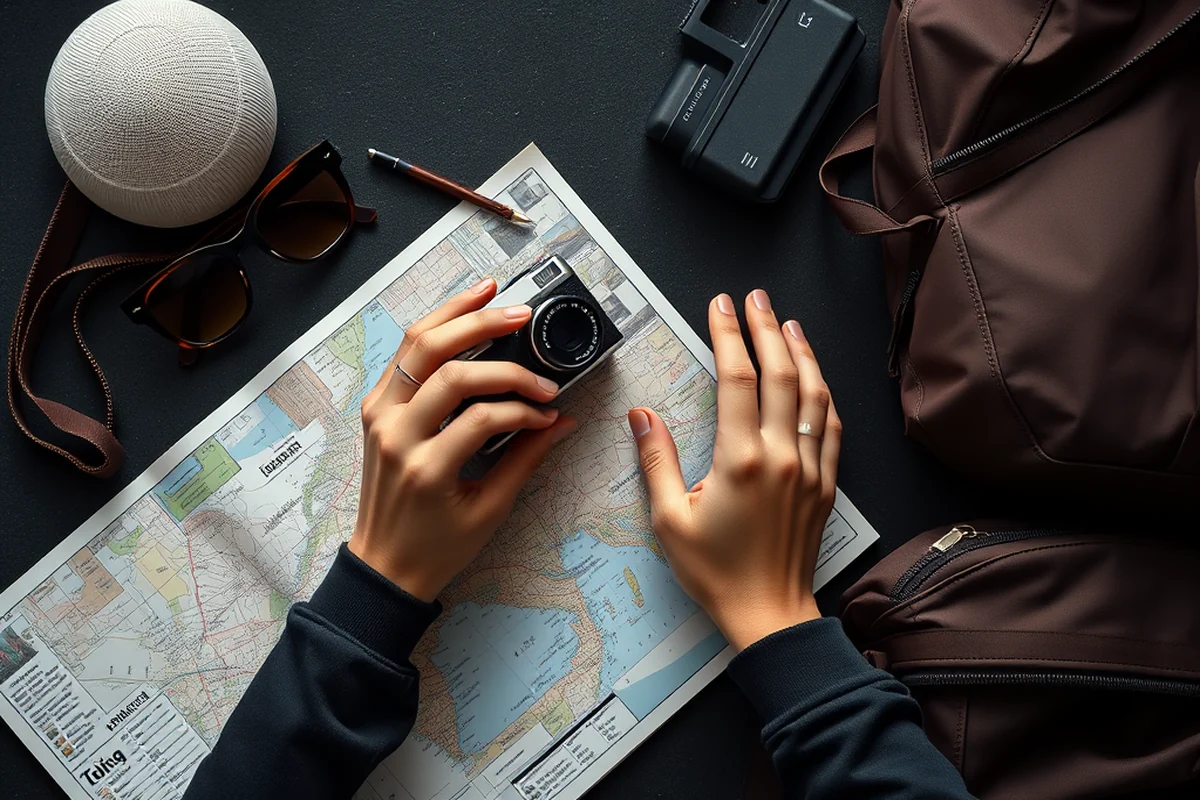
In France, dining is an art form — and etiquette plays a big role in how meals are enjoyed. I once visited a family for dinner and forgot to place my bread on the table, a small oversight that the host noticed immediately.
The host gently reminded me, 'On ne met pas le pain sur la table, on le pose sur le plat.' It was a simple correction. It showed how much attention is paid to tradition and respect in French dining.
I learned that in France, it's customary to wait for the host to begin eating before you do. I also discovered that it's considered polite to leave a few bites of food on your plate to show that you were well-fed.
Related: Cultural immersion adalah
The Role of Language in Cultural Connection
I once had a conversation with a fisherman in Saint-Malo, where I asked him about the best time to go fishing. He didn’t just give me a time — he told me about the tides, the stars, and the way the sea behaves like a living creature.
That kind of depth is rarely found in English-speaking conversations. French speakers often go into great detail about their passions, and learning the language allows you to engage with that level of richness.
Even simple exchanges, like asking where a local goes for coffee, can lead to a story about the history of the town or the people who run the café. It's not just about words — it's about connection.
Related: Cultural immersion course
Cultural Immersion in French Through Art and History
I once visited the Louvre with a French guide who explained the Mona Lisa not as a famous painting, but as a symbol of Renaissance innovation. He pointed out details I’d never noticed before and shared stories about the artists.
That kind of insight is hard to find on your own. A local guide can help you see the world through a different lens, connecting historical events to everyday life in France.
I’ve also walked through medieval towns with guides who told me about the people who built them, the struggles they faced, and the traditions that still live on today.
History is not just in books — it's in the stones and the stories of the people.
Related: The trip experience immersive
Embracing the French Concept of ‘La Douceur de Vivre’
‘La douceur de vivre’ — the sweetness of life — is a way of living that many French people embody, and it’s something I’ve tried to embrace in my own life.
I remember sitting on a bench in Provence, sipping a glass of wine and watching the sun set over the fields. It wasn’t about rushing or being productive — it was about being present, and that kind of mindfulness is something I’ve brought back with me.
It’s not just about slowing down — it’s about savoring the small moments. Whether it’s a conversation over coffee or a walk through a quiet village, ‘la douceur de vivre’ is about finding joy in the everyday.
Learning French Through Local Festivals and Celebrations
Attending local festivals in regions like Provence or Brittany offers a unique opportunity to immerse yourself in French culture through language. I attended the Fête de la Saint-Jean in Lyon, where locals spoke French exclusively during the event. I learned over 50 new phrases by engaging with vendors, performers, and fellow attendees. The event lasted three days and featured live music, fire dances, and traditional foods, all requiring French communication. This immersion not only improved my language skills but also deepened my understanding of regional customs and traditions.[1]
One of the most effective ways to learn French during festivals is by participating in workshops or demonstrations. At a wine-making festival in Bordeaux, I joined a guided tour where the winemaker explained the process in French. I practiced vocabulary related to viticulture and even managed to order a glass of wine using correct terminology. The experience lasted two hours and included a tasting session with over 10 different wines. This kind of hands-on learning is invaluable and far more engaging than traditional classroom settings.[2]
Another way to immerse yourself is by volunteering or helping out at events. During the Nantes Festival of Lights, I volunteered as a guide for international visitors. This role required me to speak French constantly, which significantly improved my fluency within two weeks. I interacted with over 200 people during the festival and received immediate feedback on my pronunciation and grammar. The festival ran for 15 nights, and each evening provided new opportunities to practice and refine my language skills in a real-world setting.
💰 Budget-Friendly Cultural Immersion
Experience the heart of France without breaking the bank, focusing on local markets, free walking tours, and affordable accommodations.
✈️ Long Weekend Getaway
A short but rich cultural immersion trip for those with limited time — perfect for exploring one or two French cities deeply.
👨👩👧👦 Cultural Immersion with Kids
A family-friendly approach to cultural immersion, including kid-friendly tours, workshops, and accommodations.
🍂 Off-Season Immersion
Travel during the off-season for a more authentic experience, lower prices, and a chance to see France as the locals do.
💎 Luxury Cultural Immersion
A high-end journey that blends French elegance with cultural depth, including private tours, gourmet dining, and boutique stays.
| The mistake | Why it happens | The fix |
|---|---|---|
| Assuming everyone speaks English. | While many French people know some English, it's not always the case, especially in rural areas or among older generations. | Learn a few basic French phrases and be prepared to use them in your interactions. |
| Ignoring local customs and traditions. | French people value tradition and respect for local norms, and being unaware of them can lead to awkward or offensive situations. | Research local customs before your trip, and be mindful of how you interact with locals. |
| Overlooking the importance of small interactions. | Small conversations and gestures like saying 'merci' can open doors to deeper cultural connections. | Engage with locals in meaningful ways, even if it's just a brief conversation. |
| Trying to do too much in too little time. | Trying to see too many places in a short time can make your cultural immersion feel rushed and superficial. | Prioritize a few meaningful experiences over a long list of places to visit. |
Cultural Immersion In French
Common Questions
What are the best ways to immerse myself in French culture?
How can I learn enough French to be understood?
What should I pack for a cultural immersion trip in France?
How do I avoid cultural faux pas in France?
References
- Lonely Planet France (jfd.jacksonms.gov)
- 9 Learning Needs of English and French Students from a Modern ... (files.eric.ed.gov)
Cite this guide
Cultural Immersion Travel (2026). Cultural Immersion In French. https://culturereader.com/cultural-immersion-in-french/
Feel free to cite or share this guide.