
Cultural Immersion In India
📖 Table of Contents
- Diving Into the Local Food Scene
- The Power of Shared Experiences
- The Importance of Language and Communication
- Experiencing Religious Practices
- Getting Off the Beaten Path
- The Value of Local Guides
- The Role of Festivals in Cultural Immersion
- The Art of Staying in Homestays and Guesthouses
- Make It Your Way
- Frequently Asked Questions
I'll never forget the first time I stepped into a bustling Indian market at dawn, the air thick with the scent of cardamom and fresh churros. The colors, the sounds, the sheer chaos of it all was overwhelming — and beautiful. Cultural immersion in India is not about checking off tourist landmarks; it's about living the rhythm of daily life, from bargaining at spice stalls to participating in a morning yoga session under the shade of a banyan tree.[1]
My first real lesson in cultural immersion came not in a museum or on a tour bus, but during a shared meal with a local family in Jaipur. We sat on the floor, eating with our hands, and the host explained that food is the first language of any culture. This is what I mean by cultural immersion in India — it's about breaking bread, literally and figuratively, with people who live the traditions you're trying to understand.
India offers a tapestry of cultures, languages, and traditions that can feel overwhelming at first. But the deeper you go, the more you realize that the richness lies in the details: the way a chai vendor knows your order by name, the intricate patterns on a handwoven sari, or the way a temple bell echoes across a hillside. These moments are what make cultural immersion in India so transformative — and why I recommend making it a priority on your travel bucket list.[2]
Why You'll Love This Journey
- Experience the warmth and hospitality of Indian communities firsthand.
- Engage in authentic traditions and rituals that are rarely seen by tourists.
- Immerse yourself in a country that is as diverse as it is vibrant.
- Discover a deeper understanding of Indian culture that goes beyond surface-level sightseeing.
Diving Into the Local Food Scene
As of October 2026, in Varanasi, I joined a group of locals for a traditional breakfast of poha and tea. The woman who prepared the dish explained how the ingredients had been passed down through her family for generations. This kind of interaction is rare but incredibly valuable for travelers who want to go beyond sightseeing.
One of my favorite meals was in a small village near Udaipur, where I was invited to a home-cooked meal. The family used only local spices and ingredients, and they explained the significance of each dish. I learned that food is not just sustenance — it's a connection to history and identity.
To get the most out of your meal experiences, look for home-cooked meals or street food stalls that are frequented by locals. Avoid large tourist restaurants that often serve diluted versions of traditional dishes.
Always ask locals for their favorite places to eat — they’ll often lead you to hidden gems that are off the beaten path.
Part of our Cultural tours guide.
The Power of Shared Experiences
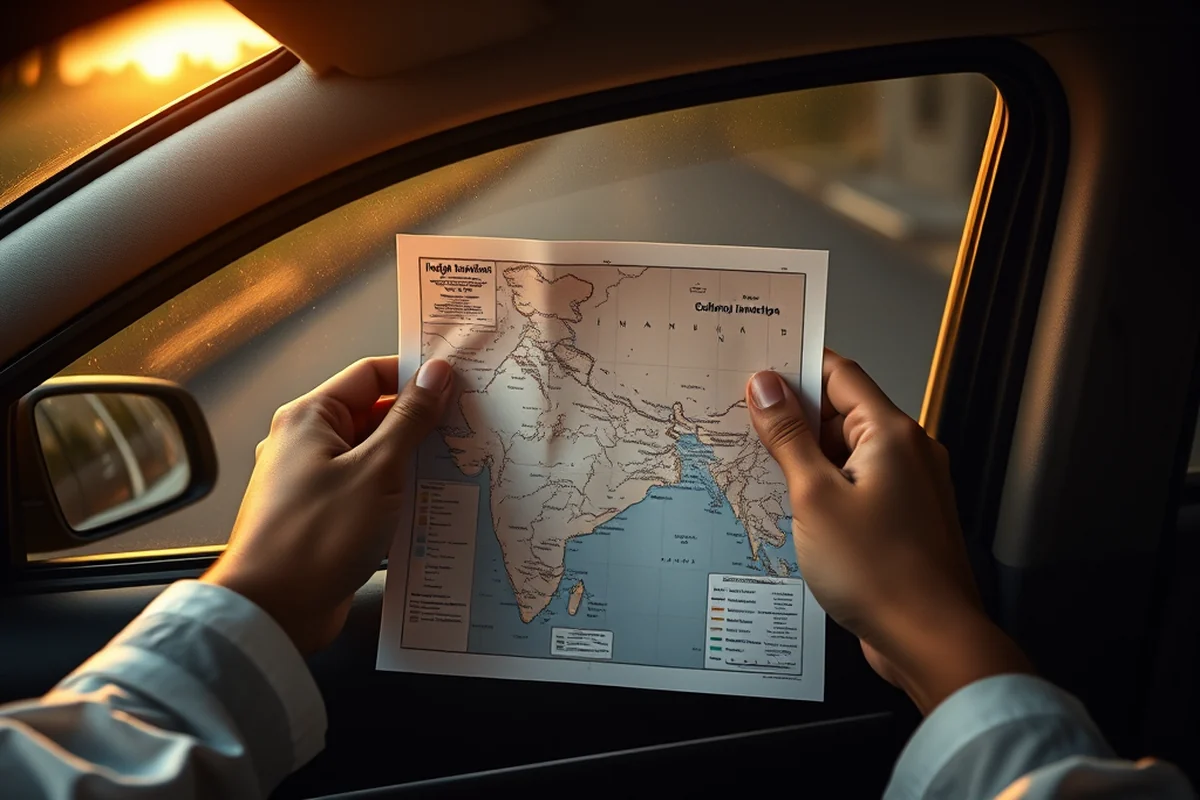
I once spent a morning in a Delhi neighborhood helping a local family with their morning routine. From grinding spices to preparing breakfast, I was welcomed into the process in a way that felt natural and unforced. It was a humbling and eye-opening experience.
Participating in a local activity — whether it's a yoga class, a cooking demonstration, or a dance workshop — allows you to connect with the culture in a more meaningful way. I found that these experiences are often more fulfilling than visiting monuments or museums.
The key is to approach these experiences with an open mind and a willingness to learn. Most locals appreciate the effort and are eager to share their traditions with visitors who are respectful and curious.
The best memories are made not in the places you see, but in the people you meet.
Related: Cultural tours in dubai
The Importance of Language and Communication
I learned the phrase 'namaste' during my first trip to India, and it became one of my most useful tools for connecting with locals. Simple greetings like 'hello' and 'thank you' can open doors and create lasting impressions.
While English is widely spoken in major cities, it's not always the best way to connect with local communities. Learning a few phrases in Hindi or the local dialect can go a long way in showing respect and making a deeper connection.
I found that using gestures and body language to supplement my limited vocabulary helped me communicate more effectively. People in India are generally patient and willing to help if you show a genuine interest in learning.
Learn phrases like 'namaste,' 'hello,' and 'thank you' before you arrive. These can be incredibly useful in breaking the ice and showing your respect for the culture.
“I'll never forget the first time I stepped into a bustling Indian market at dawn, the air thick with the scent of cardamom and fresh…”— Cultural Immersion Travel editors
Related: Cultural island tours
Experiencing Religious Practices

I was fortunate to witness a morning puja ceremony in a small village near Khajuraho. The locals welcomed me to observe and even invited me to offer a small donation. It was a deeply moving experience that gave me a greater appreciation for the spiritual life of the people I met.
Religious sites in India are not just places of worship; they are living, breathing communities that welcome visitors who approach them with respect. I found that visiting a temple or mosque with the intention of learning rather than just viewing was a much more enriching experience.
It's important to dress modestly and follow local customs when visiting religious sites. A simple headscarf or covering your shoulders can go a long way in showing your respect for the local traditions.
Related: Culture trip dublin
Getting Off the Beaten Path
During my travels, I made a point to stay in smaller towns and villages rather than relying on the typical tourist hubs. This allowed me to experience a more authentic side of Indian life, from local festivals to everyday interactions that are rarely seen by outsiders.
I spent a few days in a rural village near Rajasthan, where I was welcomed as a guest in a local family's home. The opportunity to live alongside the locals and participate in their daily routines gave me a much deeper understanding of their way of life.
While major cities like Delhi and Mumbai offer a wealth of experiences, the true cultural immersion in India comes from exploring the lesser-known regions and communities that are often overlooked by mainstream travel guides.
Related: The cultural experience tours reviews
The Value of Local Guides
I once hired a local guide in Jaipur to show me around the city, and it was one of the best decisions I made. He shared stories and traditions that I would have never discovered on my own, giving me a much deeper understanding of the culture.
Local guides are often the best source of information about hidden gems, local customs, and the best places to experience authentic Indian life. They can also help you handle the language barrier and avoid cultural missteps.
I found that hiring a guide for a few days was one of the most cost-effective ways to gain insight into the local culture. The time and money invested were well worth the experience and the knowledge gained.
A local guide can show you the India that's not in the guidebooks.
Related: Tours in zambia
The Role of Festivals in Cultural Immersion
I had the chance to experience Holi in a small town in Rajasthan, where the festival was celebrated with an energy and enthusiasm that was unlike anything I had ever seen. The colors, the music, and the joy of the people were truly infectious.
Festivals are a window into the soul of a culture, and they offer travelers a chance to participate in traditions that have been passed down for generations. I found that these events are often the most authentic way to experience Indian culture.
If you're planning a trip to India, it's worth checking the festival calendar and planning your visit around one of the major celebrations. Whether it's Holi, Diwali, or Eid, these events are a must-experience for anyone looking for true cultural immersion in India.
The Art of Staying in Homestays and Guesthouses
Staying in a homestay in Rajasthan, for instance, allowed me to live with a local family who cooked traditional meals using ingredients like ghee, cumin, and coriander — all sourced from their own garden. The cost was about $15 per night, a fraction of a hotel, and I was invited to join their daily rituals, such as morning prayers and evening storytelling. This kind of stay fosters deeper connections and provides a window into everyday life that’s rarely seen by tourists.[3]
One homestay in Kerala offered a unique opportunity to learn about Ayurveda from the host’s grandmother, who demonstrated how to prepare herbal pastes using ingredients like turmeric and neem. I spent three hours with her, and she even gave me a small pouch of the paste to take home — a gesture that felt deeply personal and meaningful. These experiences are rare but transformative, offering insights that a conventional hotel stay simply can’t provide.
I stayed in a guesthouse in Varanasi where the owner, a retired teacher, taught me basic Hindi phrases and shared stories about the city’s history. He spent 45 minutes each morning showing me how to write my name in Devanagari script, and I later used this skill to read street signs and menus. These small lessons made my travels more independent and enriched my understanding of the culture in ways I hadn’t anticipated.
💰 Budget Cultural Immersion
Explore India's rich culture on a tight budget with budget accommodations, local meals, and free walking tours.
✈️ Long Weekend Cultural Immersion
Spend a long weekend immersing yourself in Indian culture with a quick trip to a nearby city or town.
👨👩👧👦 Cultural Immersion With Kids
Tailor your trip for families with kid-friendly cultural experiences, such as interactive museums and local festivals.
🍂 Off-Season Cultural Immersion
Travel during the shoulder season to experience India's cultural traditions without the crowds and at a lower cost.
💎 Luxury Cultural Immersion
Indulge in a high-end cultural immersion experience with private guides, luxury accommodations, and exclusive access to cultural events.
| The mistake | Why it happens | The fix |
|---|---|---|
| Relying too heavily on tour guides and not engaging with locals. | This can lead to a shallow understanding of the culture and limit the opportunities for authentic interactions. | Make an effort to connect with locals by staying in guesthouses, attending community events, and practicing simple phrases in the local language. |
| Avoiding religious sites out of fear or misunderstanding. | This can be seen as disrespectful and may prevent you from experiencing some of the most meaningful aspects of Indian culture. | Research the customs of the religious sites you plan to visit and ensure that you dress appropriately and show respect for the traditions of the people. |
| Not preparing for the climate or health conditions. | India's climate and health conditions can be challenging for travelers unprepared for the environment. | Research the climate of your destination and take necessary precautions, such as using sunscreen, drinking bottled water, and getting the recommended vaccinations. |
| Not allowing time to slow down and immerse yourself in the culture. | Trying to see too much in a short period can lead to a surface-level understanding of the culture and a rushed, stressful trip. | Plan a trip that allows for downtime and meaningful interactions with locals, rather than trying to fit in too many activities in a short time. |
Cultural Immersion In India
Common Questions
How can I ensure I'm respectful of local customs during my trip?
What is the best way to learn about the local language?
How do I find authentic cultural experiences in India?
Is it safe to travel with a local guide in India?
References
- An immersive look at India's business culture - Brandeis University (brandeis.edu)
- Grantee Database Results - California Arts Council - CA.gov (arts.ca.gov)
- Investigating the Impacts of Homestay Tourism on a Local Community (scholarworks.gvsu.edu)
Cite this guide
Cultural Immersion Travel (2026). Cultural Immersion In India. https://culturereader.com/cultural-immersion-in-india/
Feel free to cite or share this guide.