
Cultural Immersion Program China
📖 Table of Contents
- What is a Cultural Immersion Program in China?
- Where to Go: The Best Cities and Regions for Cultural Immersion
- The Benefits of a Cultural Immersion Program
- What to Expect on a Cultural Immersion Program
- How Much Does a Cultural Immersion Program Cost?
- What Time of Year is Best for a Cultural Immersion Program?
- How to Prepare for a Cultural Immersion Program
- Make It Your Way
- Frequently Asked Questions
I first stepped into the heart of China's cultural immersion program not with a guidebook in hand, but with a notebook, a camera, and a curious mind. In the ancient city of Xi’an, I walked through the same streets that once welcomed Silk Road traders, and I was struck by how deeply embedded the past is in the present. This wasn’t just a trip—it was a journey through the layers of history, language, and tradition that define China’s cultural identity. The program’s structured yet flexible format allowed me to learn from local artisans, cook with families, and even sit in on a calligraphy class led by a 70-year-old master. It was unlike any travel experience I’d ever had, and it left me with a profound respect for the country’s living heritage.
China’s cultural immersion programs are designed for travelers who want to move beyond the usual tourist routes and connect with the people, places, and practices that shape daily life. I was particularly impressed by the program’s balance of guided experiences and unstructured time. In Hangzhou, I spent a day with a local tea farmer, learning how to harvest and process pu’er tea using techniques that have been passed down for centuries. The program also included visits to small villages where I participated in traditional festivals, something that is rarely possible on a standard tour. These moments, where I wasn’t just an observer but an active participant, were the ones that stayed with me long after the trip ended.
One of the most surprising aspects of the cultural immersion program was the opportunity to live with a host family. I stayed with a family in Chengdu for three nights, where I learned how to make dumplings from scratch and attended a family dinner that followed every local tradition. The program wasn’t just about visiting sites—it was about creating meaningful interactions that left me with a deeper understanding of Chinese culture. I returned home not just with stories, but with new skills, friendships, and a perspective that changed the way I see the world. For anyone looking for a transformative travel experience, this program is a must.
Why You'll Love This Cultural Immersion Program in China
- Hands-on experiences with local artisans and traditions
- Opportunities to live with host families and learn from everyday life
- A deep, authentic connection to Chinese culture and history
- A flexible itinerary that blends guided and independent travel
What is a Cultural Immersion Program in China?
As of November 2026, Unlike typical tourist trips, this program immerses you in daily life through hands-on experiences such as tea ceremonies, calligraphy classes, and cooking with local families. I participated in a workshop where I learned to make traditional Chinese paper, a craft that dates back over 2,000 years. The experience was both educational and deeply moving, as the teacher shared stories of how this art has been preserved through generations.[1]
The program’s structure allows travelers to choose from a variety of experiences, each offering a different window into Chinese culture. One day I might be learning about the philosophy of Confucianism from a scholar, and the next, I could be helping a farmer in Yunnan Province harvest tea leaves. These varied experiences ensure that no two travelers have the same journey, and that each one leaves with a unique perspective.
The program’s emphasis on interaction with local communities is what makes it stand out. I had the chance to attend a family wedding in a small village, where I was invited to wear traditional attire and participate in the rituals. This kind of access is rare for travelers, and it’s what makes the experience so special.
Before you book, think about what aspects of Chinese culture you’re most curious about. Whether it’s food, art, or history, tailoring your experience to your interests will make your journey more meaningful.
Part of our Cultural tours guide.
Where to Go: The Best Cities and Regions for Cultural Immersion

Xi’an, the ancient capital of the Qin Dynasty, is a must for anyone interested in history. I visited the Terracotta Army with a local historian who explained the significance of each artifact in a way that brought the past to life. The city also offers hands-on experiences like learning the art of shadow puppetry, a traditional form of storytelling that dates back to the Han Dynasty.
In Yunnan Province, the program offers the chance to explore ethnic minority communities. I stayed in a Bai village where I learned how to weave traditional textiles and participated in a festival that celebrated the region’s unique traditions. The program also includes visits to ethnic minority markets, where travelers can try local foods and engage directly with artisans.
The program also includes a stop in Hangzhou, where I attended a calligraphy class with a master who had been practicing for over 50 years. The city’s serene West Lake and traditional tea houses provide the perfect backdrop for learning about Chinese aesthetics and philosophy.
Xi’an, Yunnan, and Hangzhou—each destination offers a different facet of China’s cultural tapestry.
Related: Cultural tours flinders ranges
The Benefits of a Cultural Immersion Program
One of the most valuable aspects of the program is the chance to engage directly with local people. I had the opportunity to stay with a host family in Chengdu, where I learned how to cook traditional dishes and participated in family dinners that followed every local tradition. These interactions provided a glimpse into daily life that is rarely available to tourists.
The program also helps travelers develop new skills, such as calligraphy, paper-making, and tea preparation. These activities are not just about learning techniques—they’re also about understanding the cultural significance behind them. For example, I learned that the way you prepare and serve tea is an art form that reflects respect and hospitality.
Perhaps most importantly, the program fosters a deeper understanding of Chinese culture. By immersing yourself in the daily lives of locals, you gain a perspective that is impossible to achieve through books or videos alone. This kind of experience is transformative and leaves a lasting impact.
Embracing local customs and traditions, even if they are unfamiliar, can lead to the most rewarding moments of your trip.
“I first stepped into the heart of China's cultural immersion program not with a guidebook in hand, but with a notebook, a camera, and a…”— Cultural Immersion Travel editors
Related: New zealand tours
What to Expect on a Cultural Immersion Program
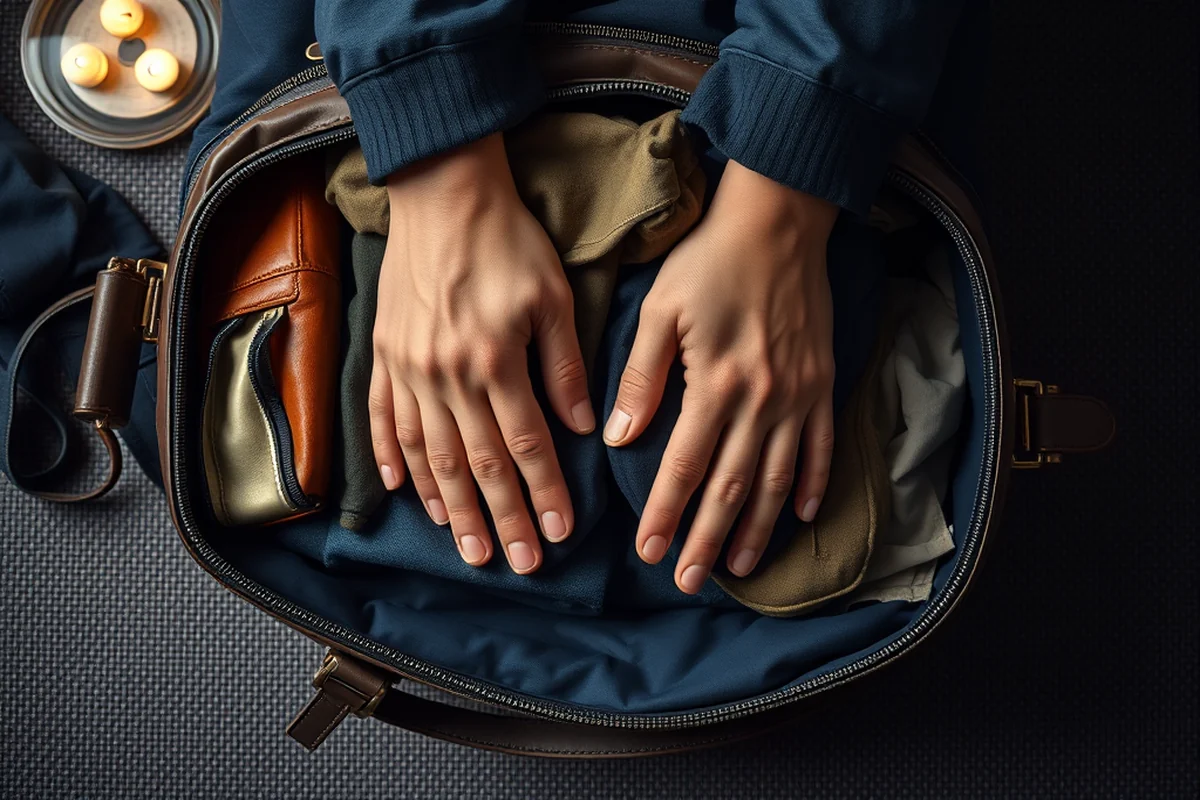
Each day typically starts with a guided activity, such as a visit to a historical site or a workshop with a local artisan. I spent an afternoon with a silk-weaving family in Suzhou, where I watched the entire process of transforming raw silk into fabric. It was a fascinating and hands-on experience that gave me a deeper appreciation for the craftsmanship involved.
Afternoons are often left open for independent exploration, allowing travelers to explore the city at their own pace. I used this time to wander through Xi’an’s narrow streets, where I discovered small museums and local shops that sold handmade crafts. These moments of unstructured time are some of the most memorable parts of the trip.
Evenings are often spent with host families, where travelers can enjoy home-cooked meals and learn about local customs. I remember one evening in Chengdu when the family invited me to help prepare a traditional meal, and we all sat together on the floor, sharing stories and laughter. These moments of connection are what make the program so special.
Related: Cultural tours in dubai
How Much Does a Cultural Immersion Program Cost?
The cost of the program is designed to be accessible to travelers who want to experience China in a meaningful way without breaking the bank. The $680 price includes a mix of shared and private accommodations, depending on the program you choose. I stayed in a shared dormitory during my trip, which was comfortable and allowed me to meet fellow travelers from around the world.
Meals are often included in the program, with a mix of group dinners and home-cooked meals with host families. I found that the meals were not only delicious but also an excellent way to learn about local ingredients and cooking techniques. The program also includes transportation between destinations, making it easy to move from one city to the next.
While the cost may seem high at first, it’s actually quite reasonable when you consider the value of the experiences. For $680, you get a deep, hands-on immersion in Chinese culture that is difficult to achieve through other types of travel. The program is also scalable, with options for longer stays or additional activities if you’re willing to pay a bit more.
Related: Cultural island tours
What Time of Year is Best for a Cultural Immersion Program?
Spring is an ideal time to visit because the weather is mild and comfortable, making it easier to explore cities and participate in outdoor activities. I visited during the spring and was able to attend a local festival in Yunnan Province, where I experienced traditional music, dance, and food. These events are often only available during the spring and summer months, making it the perfect time for cultural immersion.
Another advantage of visiting in the spring is that it’s a time of year when many cultural events take place. I attended a tea festival in Hangzhou, where local farmers demonstrated how to prepare and serve different types of tea. These kinds of events are rare and offer a unique opportunity to engage with local traditions.
While spring is the best time to visit, other seasons also have their own advantages. For example, autumn is a great time to see the fall foliage in northern China, and winter offers the chance to experience traditional holiday celebrations. However, if you’re looking for the most authentic cultural experiences, spring is the way to go.
Spring is the season of blooming traditions and festivals—don’t miss it.
Related: Culture trip dublin
How to Prepare for a Cultural Immersion Program
Before traveling, it’s important to research the program you’re joining to understand what activities are included and what kind of accommodations you can expect. I read through the program’s itinerary in advance, which helped me prepare for the types of experiences I would be having. This also allowed me to set realistic expectations and pack accordingly.
Packing for a cultural immersion program should focus on comfort and practicality. I brought lightweight clothing that could be layered for different weather conditions, as well as comfortable shoes for walking and exploring. It’s also a good idea to bring a small notebook and pen for taking notes during workshops and classes.
Learning a few basic Mandarin phrases can make a big difference in your experience. I picked up simple greetings and phrases like “Thank you” and “How much does this cost?” before my trip, which helped me communicate more effectively with locals and made my interactions more meaningful.
💰 Budget Cultural Immersion
Experience China’s culture without breaking the bank, with shared accommodations and group activities.
⏳ Long Weekend Immersion
A condensed version of the program ideal for travelers with limited time, focusing on key cultural experiences.
👨👩👧👦 With Kids Cultural Immersion
A family-friendly program that includes child-appropriate activities and accommodations for travelers with children.
❄️ Off-Season Cultural Immersion
An immersive experience during the off-peak season, offering a more relaxed pace and lower prices.
💎 Luxury Cultural Immersion
An upscale version of the program featuring private accommodations, personalized experiences, and exclusive access to cultural sites.
| The mistake | Why it happens | The fix |
|---|---|---|
| Not researching the program’s itinerary in advance. | Failing to research the program’s itinerary can lead to unexpected experiences or missed opportunities for cultural engagement. | Review the program’s itinerary and activities in advance to understand what to expect and prepare accordingly. |
| Wearing inappropriate clothing for cultural events. | Wearing clothing that is too revealing or formal for certain cultural events can be seen as disrespectful. | Check the dress code for each activity and wear clothing that is respectful of local customs and traditions. |
| Assuming all activities are included in the program. | Some activities may not be included in the program, and additional costs may apply for meals, transportation, or entry fees. | Review the program’s details carefully and ask the coordinator about any additional costs or inclusions. |
| Assuming that all cultural experiences will be the same. | Cultural experiences can vary greatly depending on the region, and not all programs include the same activities. | Talk to other travelers or the program coordinator to understand the range of experiences available and choose a program that aligns with your interests. |
Cultural Immersion Program China
Common Questions
What should I wear during the program?
Can I bring a camera or video recorder?
Is it safe to travel in China as a solo traveler?
Can I extend my stay after the program?
References
- - RECOVERY AND PRESERVATION OF NATIVE AMERICAN ... (govinfo.gov)
Cite this guide
Cultural Immersion Travel (2026). Cultural Immersion Program China. https://culturereader.com/cultural-immersion-program-china/
Feel free to cite or share this guide.