
What Does Immersion Mean In Education
📖 Table of Contents
- What is Immersion in Education?
- The Power of Being Present
- How Immersion Builds Confidence and Competence
- The Role of Community in Immersion Learning
- The Benefits of Travel-Based Immersion
- The Long-Term Impact of Immersion Learning
- How to Find the Right Immersion Experience for You
- Make It Your Way
- Frequently Asked Questions
I still remember the first time I stepped into a local market in Marrakech, the air thick with the scent of spices, the cacophony of haggling voices, and the vibrant colors of woven textiles. It was there, surrounded by the chaos and beauty of daily life, that I realized immersion wasn't just about learning—it was about living. In education, immersion means more than just studying a subject; it means experiencing it in real life, surrounded by the people, places, and practices that shape it. I've come to see immersion in education as the bridge between theory and reality, and it’s a powerful way to learn anything, whether it's language, culture, or even history.
My journey through immersion started when I took a language course in Kyoto, where every lesson took place in a traditional tea house, not a classroom. The teacher never spoke English, which forced me to think, listen, and respond in Japanese. That experience taught me that immersion is about being fully present in an environment, where learning happens through participation, not just passive observation. It’s about the feeling of being surrounded by the subject you’re studying, and that kind of deep engagement can't be replicated in a textbook or lecture hall.
As I've explored more destinations, I've come to understand that immersion in education is not just about language or culture—it’s about connecting the dots between what you learn and how it shapes your perspective. In education, immersion is the difference between memorizing a fact and truly understanding its significance. I've seen students who traveled to indigenous communities in Canada and came back with a new respect for cultural preservation, or who studied environmental science in the Amazon and left with a deeper commitment to sustainability. It's the kind of learning that sticks, because it's lived, not just taught.
Why You'll Love This Approach to Learning
- Deep, experiential learning that stays with you long after the trip ends.
- Cultural insights that can't be found in books or lectures.
- A chance to practice what you learn in real-life situations.
- Personal growth through exposure to new perspectives and ways of life.
What is Immersion in Education?
As of August 2026, Immersion in education is a learning technique that places students directly into an environment where the subject they're studying becomes the backdrop of their experience. Whether it's learning a new language in a country where it's spoken or studying environmental science in a rainforest, immersion means being surrounded by the subject in real time and real life.
In practice, this might mean attending classes in another country, living with a local family, or participating in community projects. The key is that the learning is not passive—it's active, and it's deeply personal. I remember one student who learned Spanish in Spain by living with a host family, eating the same meals, and attending local festivals. By the end of the trip, their fluency had skyrocketed, and they had a new appreciation for the culture that made the language come alive.
The value of immersion lies in the way it creates a bridge between theory and practice. When you're immersed, you're not just learning about a subject—you're living it. That kind of learning is transformative because it's personal, real, and often unforgettable.
If you're learning a language, pick a country where it's spoken. If you're studying history, choose a place with a rich past. Alignment ensures that your experience is both educational and meaningful.
Part of our Fast travel guide.
The Power of Being Present
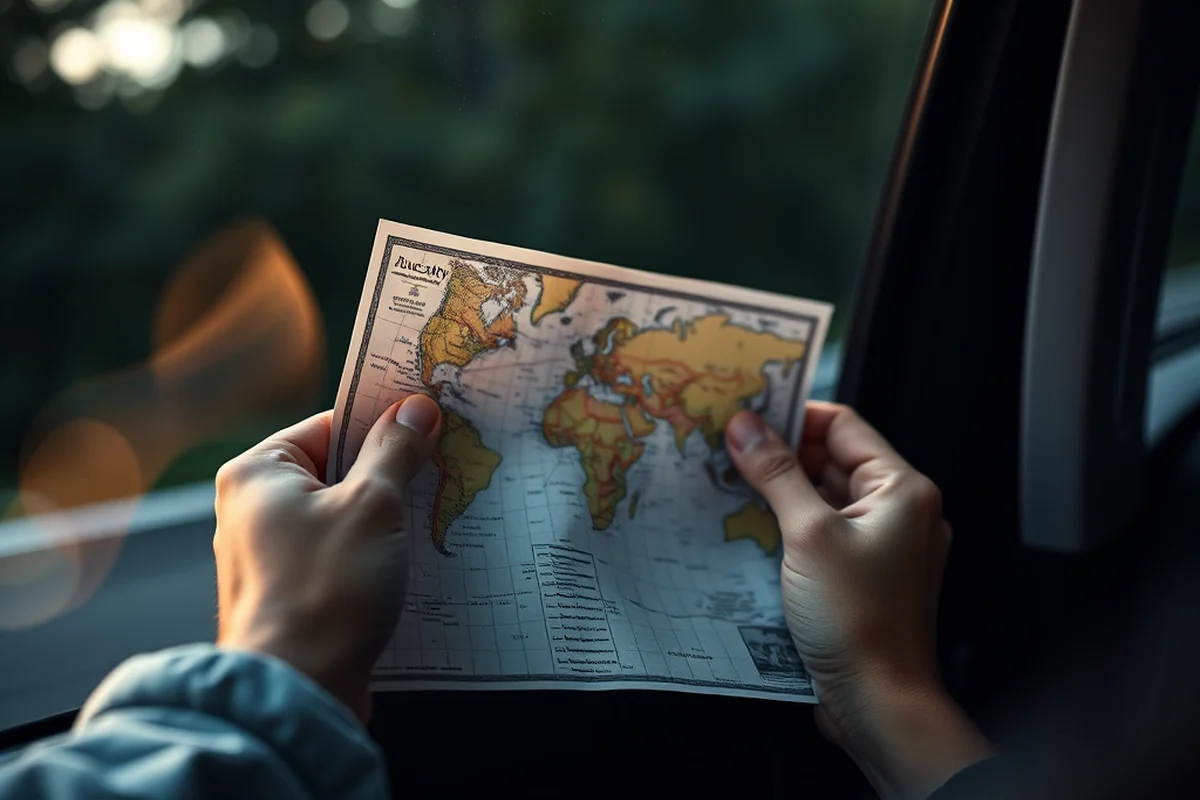
When I first tried immersion learning, I was surprised by how much I learned by just being present in the moment. Whether it was sitting in a small village in Morocco or walking through the streets of Kyoto, the key was not to rush, not to overplan, but to be fully present in each experience.
Presence is what allows you to notice the little things—the way people speak, the rhythm of daily life, the unspoken rules that govern a culture. When I stayed in a local home in Kyoto, I noticed how the family used certain phrases and gestures that I never would have learned in a classroom. Those small details made all the difference in my understanding of the language.
Being present in immersive learning is more than just being there—it’s about engaging with the experience, asking questions, and making mistakes. It’s about allowing yourself to be shaped by the environment, not just observing it from the outside.
Immersion is not about seeing the world—it's about becoming part of it.
Related: Wonderful world travel experience reviews
Related: Immersive fast travel fnv
Related: Immersion travel
Related: Immersion Blender Uses
Related: Immersion vs immersive
How Immersion Builds Confidence and Competence
One of the most powerful aspects of immersion learning is the way it builds confidence. When you're in a new environment, you're forced to use what you've learned—whether that's speaking a new language, navigating a foreign city, or participating in a local tradition. There's no room for hesitation, no time to second-guess.
I've seen students who were initially nervous about speaking a new language come out of an immersion program with a newfound confidence. They weren't just learning the language—they were using it, making mistakes, and correcting them on the spot. That kind of real-time feedback is invaluable and can't be replicated in a traditional classroom.
Confidence grows when you're forced to act in the moment. Whether it's ordering food in a local market or presenting a project in a foreign language, immersion pushes you to be competent in the real world, not just in theory.
Mistakes are not failures—they are lessons. When I first tried to speak Japanese in Kyoto, I made a lot of mistakes. But each one taught me something new. Embrace them and keep going.
“I still remember the first time I stepped into a local market in Marrakech, the air thick with the scent of spices, the cacophony of…”— Cultural Immersion Travel editors
The Role of Community in Immersion Learning
One of the most important elements of immersion learning is the community you engage with. Whether it's a local family, a group of fellow travelers, or a cultural organization, the people around you are the ones who make the experience meaningful.
When I stayed with a host family in Kyoto, they didn't just teach me the language—they taught me the nuances of daily life, the way the community functioned. The traditions that had been passed down through generations. That kind of insight is only possible through community engagement.
Being part of a community during immersion learning means you're not alone in your journey. You have people who can guide you, correct you, and support you. It's the kind of learning that happens through shared experiences, not just individual effort.
The Benefits of Travel-Based Immersion
Travel-based immersion learning is different from traditional classroom education because it's experiential, dynamic, and deeply personal. When you're learning on the road, you're not just studying—you're living the subject you're interested in.
One of the benefits is the ability to see the subject in its natural environment. For example, learning about environmental science in the Amazon rainforest gives you a completely different perspective than reading about it in a textbook. You can see the impact of deforestation, meet the people who live there, and understand the challenges they face.
Travel-based immersion also allows for cross-cultural understanding. When you're immersed in a new culture, you're forced to think differently, see the world from a new perspective, and challenge your own assumptions. That kind of learning is powerful and transformative.
The Long-Term Impact of Immersion Learning
Immersion learning doesn't just teach you a subject—it changes the way you think about it. The impact of an immersion experience can last a lifetime, shaping your perspective, your skills, and your confidence.
When I returned from my immersion trip in Kyoto, I didn't just speak Japanese better—I thought differently. I understood cultural nuances, could navigate social situations with ease, and had a new appreciation for the power of language to connect people.
The long-term impact of immersion learning is that it creates a lasting connection between the subject and the person. It's not just about what you learned—it's about who you became as a result of the experience.
Immersion learning doesn't just change what you know—it changes who you are.
How to Find the Right Immersion Experience for You
Choosing the right immersion experience starts with knowing what you want to learn and why. Are you interested in language? Cultural studies? Environmental science? Each of these requires a different kind of environment and approach.[1]
I recommend starting by identifying your core learning goals. If you're interested in language learning, look for programs that offer homestays, language classes, and real-world practice. If you're interested in cultural studies, seek out programs that include community engagement, local projects, and cultural immersion.
Once you've identified your goals, research programs that match your interests and budget. Talk to travelers who have been on similar journeys, read reviews, and ask questions. The right immersion experience is one that aligns with your goals, challenges you, and helps you grow.
💰 Budget Immersion
Experience immersion on a shoestring budget with local host families, free language exchanges, and low-cost travel.
⏳ Long Weekend Immersion
Dive into a short but intense immersion experience—perfect for those with limited time.
👨👩👧👦 With Kids
Family-friendly immersion programs that include cultural activities and educational experiences for children of all ages.
❄️ Off-Season Immersion
Enjoy a more affordable and less crowded immersion experience during the off-season, with unique opportunities to connect with locals.
💎 Luxury Immersion
Indulge in a high-end immersion experience with private guides, exclusive access, and five-star accommodations.
| The mistake | Why it happens | The fix |
|---|---|---|
| Not setting clear learning goals before the trip. | Without clear goals, immersion learning can become unfocused and less impactful. | Define your learning objectives before the trip to ensure your experience is tailored to your needs. |
| Assuming that immersion means just living in a place, not actively learning. | Immersion without a structured learning plan can lead to wasted opportunities and a lack of meaningful outcomes. | Pair your immersion experience with a learning plan, such as language classes, cultural workshops, or academic programs. |
| Not engaging with the local community. | Immersion without community interaction can lead to a superficial understanding of the subject or culture. | Seek out opportunities to engage with locals, whether through homestays, volunteer work, or cultural exchanges. |
| Overlooking the importance of reflection. | Without reflection, the lessons learned during immersion may not be fully internalized or applied in the future. | Take time to reflect on your experience before and after the trip to ensure lasting learning and growth. |
What Does Immersion Mean In Education
Common Questions
How does immersion learning differ from traditional classroom education?
Is immersion learning only for language learning?
What are the benefits of immersion learning for students?
How long should an immersion experience last?
References
- Language immersion programs - EF (ef.edu)
Cite this guide
Cultural Immersion Travel (2026). What Does Immersion Mean In Education. https://culturereader.com/what-does-immersion-mean-in-education/
Feel free to cite or share this guide.