
Benefits Of Heritage Tourism
📖 Table of Contents
I remember standing in the shadow of the Colosseum in Rome, my hands tracing the weathered stones of an ancient wall. It wasn’t just the architecture that struck me — it was the feeling of standing in a place that had witnessed the rise and fall of empires, the echoes of history whispering through every crack and crevice. That moment was a vivid reminder of why heritage tourism is more than a holiday — it's a portal to the past.
Traveling to heritage sites is not a passive experience. It's a deep explore the stories of civilizations long gone, where every step on a cobblestone street or every glance at a centuries-old monument is steeped in meaning. I’ve walked through the narrow alleys of Kyoto, where the scent of incense from centuries-old temples mingles with the fresh air. I’ve stood in the shadow of Machu Picchu, where the Andes cradle a lost city of the Inca. These are not just places — they're living testaments to human ingenuity and resilience.[1]
Heritage tourism offers something different from the usual tourist traps. It's about uncovering the soul of a place, connecting with its history in a way that's both educational and deeply moving. Whether it’s exploring a medieval castle in France or wandering through the labyrinthine streets of Marrakech, the benefits of heritage tourism are tangible and transformative, leaving you with a renewed sense of wonder and a deeper appreciation for the world’s rich tapestry of cultures.[2]
Why You'll Love This Journey
- Immerse yourself in the stories of the past through tangible, real-world experiences.
- Support the preservation of cultural landmarks and local communities.
- Develop a deeper understanding of diverse histories and traditions.
- Create lasting memories with a unique and meaningful form of travel.
Preserving the Past, Enriching the Present
As of November 2026, in destinations like Cambodia, where the Angkor Wat temples are a UNESCO World Heritage site, heritage tourism is a critical source of funding for preservation efforts. Every visitor contributes to the upkeep of these ancient wonders, ensuring that they remain standing for generations to come. Local communities also benefit, as tourism creates jobs in hospitality, guiding, and artisan crafts.
I visited a small village near the temples of Angkor and saw how the income from tourism allowed families to send their children to school and access healthcare. The balance between preservation and economic development is delicate, but when managed responsibly, heritage tourism becomes a powerful tool for both conservation and community growth.
In places like Peru, where the Inca Trail funds the restoration of Machu Picchu and supports indigenous communities, the impact is clear. Heritage tourism is not just about the past — it's about the present and future.
Opt for tour companies that invest in local communities and adhere to sustainable practices. This ensures your visit supports preservation and local livelihoods.
A Deep Dive into Cultural Understanding
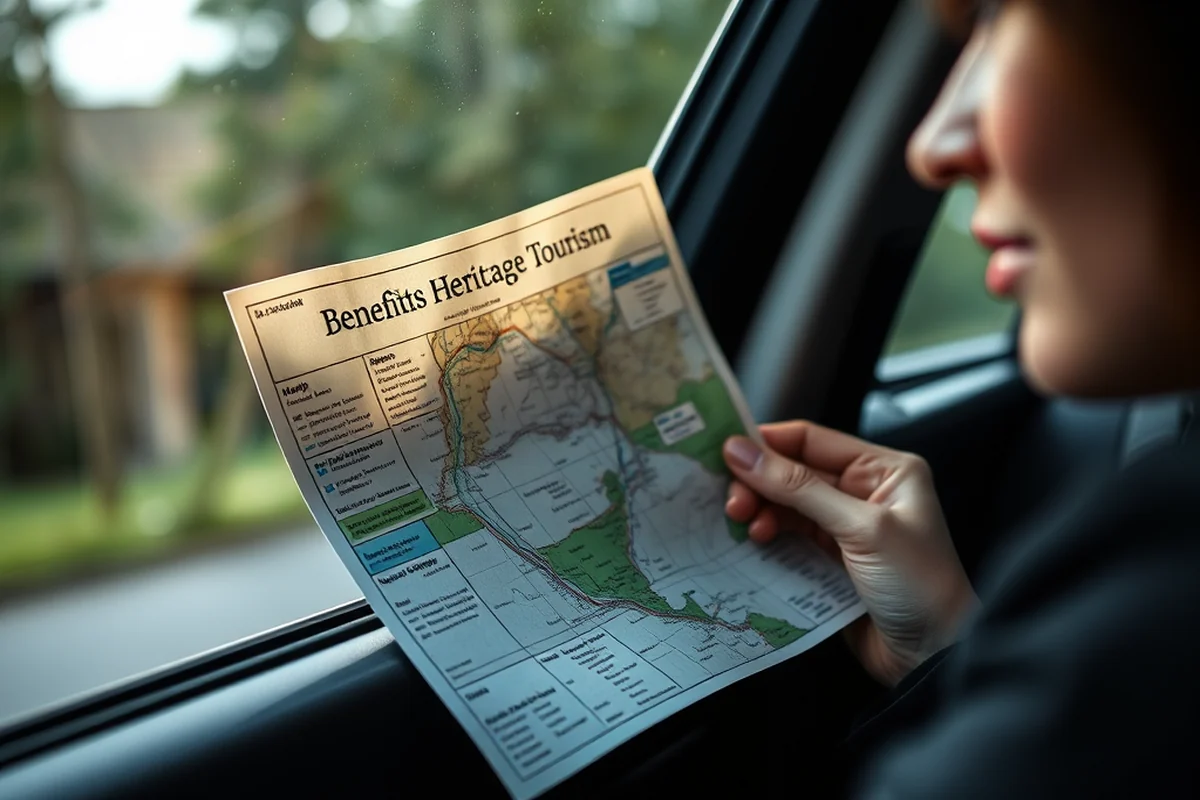
When you visit historical sites, you're not just looking at buildings or artifacts — you're engaging with the stories of the people who lived there. I remember walking through the ancient city of Pompeii and imagining the lives of the people who once called it home. The preserved frescoes and artifacts bring history to life in a way that books or documentaries cannot.
In Kyoto, I participated in a traditional tea ceremony led by a local artisan. This experience gave me insight into Japanese culture that no guidebook could provide. Heritage tourism offers a hands-on way to understand traditions, beliefs, and ways of life that have endured for centuries.
By immersing yourself in the customs and histories of different cultures, you gain a more nuanced and empathetic view of the world. This understanding is one of the most profound benefits of heritage tourism.
History is not just in the books — it's in the stones, the stories, and the people who keep them alive.
Related: What is cultural immersion experience
Educational Value and Personal Growth
I’ve always found that traveling to historical sites is one of the most educational experiences I’ve had. In Athens, I visited the Acropolis and learned about ancient Greek democracy, which changed the way I viewed modern governance. The knowledge gained is not only fascinating but also relevant to contemporary issues.
Many heritage sites offer guided tours that provide historical context, making the experience more enriching. I once took a walking tour of the Roman Forum with a historian who brought the ancient world to life with vivid details and personal stories.
Beyond the historical facts, heritage tourism also encourages personal growth. It challenges you to think critically, to see the world through different lenses, and to appreciate the complexity of human history.
Do some reading or watch documentaries about the site before your visit. This will enhance your understanding and make your experience more meaningful.
“I remember standing in the shadow of the Colosseum in Rome, my hands tracing the weathered stones of an ancient wall.”— Cultural Immersion Travel editors
Related: Cultural immersion experience
Creating Lasting Memories

There’s a special kind of magic in standing at the foot of the Great Wall of China or walking through the ancient streets of Jerusalem. These moments are not just visually stunning — they are emotionally powerful and deeply memorable. I still carry the memory of walking through the tunnels of the Catacombs of Rome, where the silence and history made me feel both small and profoundly connected to the past.
Heritage sites are often the backdrop for some of the most memorable photographs, conversations, and reflections. The unique atmosphere of these places makes them stand out from other travel destinations.
Whether it's the awe of seeing the Pyramids of Giza or the quiet reverence of walking through a medieval cathedral, heritage tourism creates memories that are both personal and universal.
Related: Japan itinerary ideas
Supporting Local Economies
When you visit a heritage site, a portion of your spending often goes to local businesses, from hotels and restaurants to souvenir shops and guided tours. In Bhutan, where tourism is strictly regulated to protect the environment and culture, visitors are required to pay a daily fee, part of which funds community development and conservation.
I stayed in a guesthouse in a small village near the Himalayas, and the owner told me how tourism had allowed her to keep her family’s traditional crafts alive. Heritage tourism is not just about the sites themselves — it's about the people who live and work around them.
By choosing to travel with a focus on heritage, you're contributing to the economic well-being of the communities you visit. It's a form of tourism that is both meaningful and impactful.
Related: Cultural immersion tourism
Promoting Cultural Exchange
One of the most unexpected benefits of heritage tourism is the opportunity for cultural exchange. Whether it's through conversations with local guides, interactions with artisans, or simply observing how people live in historical contexts, you're engaging with different worldviews.
In Morocco, I had the chance to speak with a local historian who shared stories about the country's rich Islamic heritage. These conversations opened my eyes to the depth of Moroccan culture and the importance of preserving it.
Heritage tourism brings people together, creating a bridge between the past and the present, and between different cultures. It's a powerful way to promote mutual understanding and respect.
Travel is the ultimate classroom — and heritage is its most valuable teacher.
Related: Cultural tourism problems
Encouraging Sustainable Tourism
When managed properly, heritage tourism can be a form of sustainable travel that minimizes environmental impact while maximizing cultural and economic benefits. In Costa Rica, for example, the government has invested heavily in eco-tourism initiatives that protect both natural and cultural heritage.
I visited a rainforest reserve in Costa Rica that also houses ancient indigenous sites. The eco-tourism model there ensures that visitors leave a minimal footprint while supporting the preservation of both the environment and the cultural heritage of the local people.
Sustainable heritage tourism is not just about protecting the past — it's about ensuring that future generations can experience these places as well. It's a win-win for travelers, communities, and the planet.
💰 Budget Heritage Travel
Explore iconic heritage sites without breaking the bank by traveling during the off-season and opting for budget accommodations.
📅 Long Weekend Heritage Getaway
Pack a suitcase and explore a nearby historic city — think Boston, Edinburgh, or Prague — in just three days.
👨👩👧👦 Heritage Travel with Kids
Introduce your children to history with kid-friendly heritage sites, interactive museums, and educational tours.
🍂 Off-Season Heritage Travel
Visit heritage sites when crowds are sparse and prices are lower — usually in the shoulder seasons or during the winter months.
🏨 Luxury Heritage Travel
Indulge in a five-star heritage experience with private tours, guided by experts, and accommodations that reflect the grandeur of the past.
| The mistake | Why it happens | The fix |
|---|---|---|
| Assuming all heritage sites are the same | Each heritage site has a unique story and cultural significance. Failing to research or appreciate these differences can lead to a shallow travel experience. | Take time to learn about the history and significance of each site before visiting, and approach each one with curiosity and respect. |
| Ignoring the impact of tourism on heritage sites | Too many visitors can damage historical artifacts and strain local environments. Not being mindful of your impact can lead to long-term harm. | Follow all site rules, avoid prohibited actions, and consider visiting during off-peak times to reduce the strain on both the environment and the site. |
| Overlooking the importance of local perspectives | History is often told from the perspective of the dominant culture, but local communities have their own stories and interpretations that are just as important. | Seek out local guides, read accounts from indigenous or regional historians, and be open to different points of view. |
| Focusing only on the visuals and missing the deeper meaning | Heritage tourism is not just about seeing impressive architecture — it's about understanding the history and people behind it. | Take time to engage with the stories, artifacts, and people who live near the sites. This will give you a more meaningful and enriching experience. |
Benefits Of Heritage Tourism
Common Questions
How can I ensure that my heritage tourism trip supports local communities?
Are there any risks associated with heritage tourism?
What are some of the best heritage travel destinations in the world?
Can I take a heritage tour with a group or should I travel solo?
References
- DELTA TOURISM AWARENESS 5-YEAR MARKETING PLAN (deltaconservancy.ca.gov)
- Heritage tourism Handbook: | Georgia Department of Community ... (dca.georgia.gov)
Cite this guide
Cultural Immersion Travel (2026). Benefits Of Heritage Tourism. https://culturereader.com/benefits-of-heritage-tourism/
Feel free to cite or share this guide.