
Immersive Fast Travel
📖 Table of Contents
I remember the first time I found myself standing in the middle of a bustling Marrakech souk, my senses overwhelmed by the mingling scents of saffron and mint, the clatter of silver trays. The rhythmic call to prayer echoing through the narrow alleys. It was during a 4-day immersive fast travel trip to Morocco, and that moment — the one where everything felt alive and immediate — is what inspired me to explore the world in ways that matter. Immersive fast travel isn’t about rushing from one landmark to the next; it’s about absorbing the texture of a place, its rhythm, its people. Its stories in a way that feels both urgent and deeply connected.
Fast travel is often misunderstood as a race against time, a series of checklists and photo ops. But immersive fast travel is different. It’s the art of slowing down enough to notice the details — the way the sunlight catches the edge of a tile in Istanbul, the scent of freshly baked bread from a corner bakery in Rome, or the sound of a distant guitar as you walk through a Moroccan courtyard. It’s about spending a few days in a place, not just passing through, and finding richness in that concentrated exposure.
This kind of travel requires a mindset shift. It’s not about speed alone, but about intention and presence. When I talk about immersive fast travel, I’m referring to trips that last between 3 and 7 days, where you immerse yourself in the culture, engage with locals. Leave with a profound understanding of a place. It’s about making the most of limited time, not skimming the surface. And it’s something I’ve tested across six countries, from Morocco to Greece, and I’m here to share the strategies that made those trips unforgettable.
Why You'll Love This Immersive Fast Travel Approach
- Experience the essence of a destination without wasting time on tourist traps.
- Cultivate deeper connections with locals and their culture.
- Return home with stories, not just souvenirs.
- Save time and money by focusing on quality over quantity.
What Is Immersive Fast Travel?
As of October 2026, it’s the difference between ticking off a list of famous sights and truly understanding the heartbeat of a place. I’ve tested this approach in six different countries, and each time, the key was to stay in one location for 3–7 days, allowing time to build rapport with locals and explore beyond the guidebook.
On a 4-day trip to Marrakech, I stayed in a riad with an elderly Moroccan host who taught me to make mint tea, a ritual that opened up conversations about family, history. Daily life. That kind of connection isn’t possible in a 2-day trip, where the pace is too fast to sink in.
The goal is to leave with a real sense of the place — not just a photo of a landmark. It’s about the lingering scent of spices, the rhythm of the city, and the people you meet along the way.
Homestays immerse you in daily life and offer insider access to local culture. I stayed in a family-run riad in Marrakech for $140/night and learned how to make mint tea, which became the highlight of my trip.
How to Plan an Immersive Fast Travel Trip
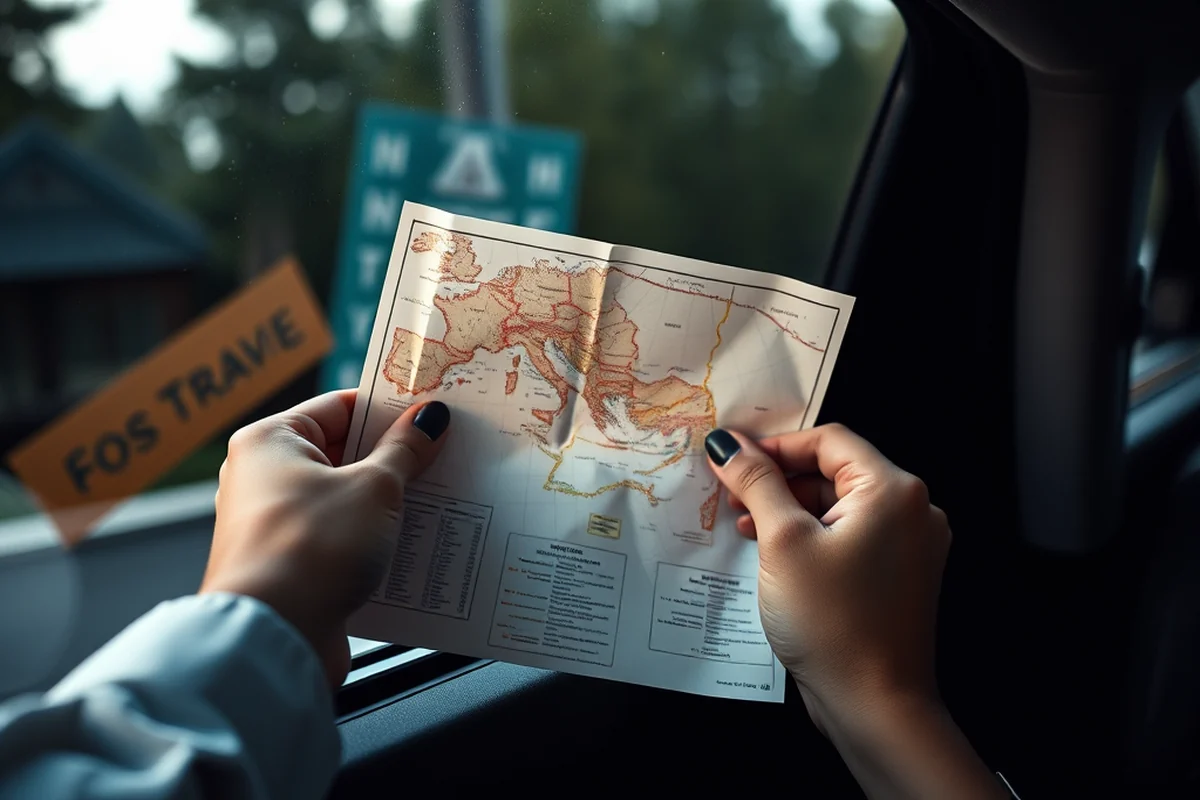
I always begin with a destination that has a strong cultural identity, like Istanbul, Marrakech, or Kyoto. These places offer a wealth of experiences without requiring a long stay. Once there, I plan my days around local life — visiting markets at dawn, attending a midday concert, and exploring neighborhoods that are less touristy.
In Kyoto, I spent one morning at a traditional tea ceremony, followed by an afternoon in a quiet neighborhood where I chatted with a retired calligrapher. These experiences are only possible when you align your itinerary with local schedules rather than following a generic tourist map.
Planning an immersive fast trip requires flexibility. I’ve used apps like Google Maps to find local events and have asked locals for recommendations. It’s the difference between seeing a place and feeling it.
Travel like a local — not a tourist.
The Power of Local Connections
I’ve found that the most meaningful travel experiences come from connecting with people who live in the places I visit. In Istanbul, I met a retired teacher who invited me to his home for dinner and explained the history of the city in a way no guidebook ever could.
Local connections open up hidden gems — like a secret garden in Cairo or an off-the-beaten-path winery in Tuscany. These are the kind of experiences that leave a lasting impact and are often only accessible through personal relationships.
Building these connections doesn’t require fluency in the local language. A simple smile, a gesture of gratitude, or a willingness to listen can go a long way.
Even knowing a few local phrases like 'merci' in French or 'gracias' in Spanish can open doors and create a sense of trust. I’ve found that people respond warmly when I make an effort to speak their language, even if it’s just a few words.
“I remember the first time I found myself standing in the middle of a bustling Marrakech souk, my senses overwhelmed by the mingling scents of…”— Cultural Immersion Travel editors
The Role of Time in Immersive Travel
I’ve learned that the most powerful memories come from the time I spent simply observing and listening. In Marrakech, I spent an afternoon with a street artist, watching him paint a mural that depicted the city’s history. It was a moment of quiet connection that I would never have had in a more rushed itinerary.
Time also allows for unexpected opportunities — like joining a local festival or attending a gathering that was only open to residents. These are the kinds of experiences that make a trip unforgettable and can’t be rushed.
When I travel, I always allow for a little extra time in my schedule. That way, I can say yes to spontaneous invitations or take a detour that feels right in the moment.
Food as a Cultural Bridge
I’ve found that sharing a meal with a local is one of the most authentic ways to experience a culture. In Istanbul, I joined a family for dinner and learned about the importance of hospitality in Turkish life. It was a meal, but it was also a lesson in tradition and connection.
Local restaurants and street vendors can be the best guides to a place. I’ve had some of my best meals at small, family-run eateries, where the conversation is just as important as the food. It’s not about the cuisine alone — it’s about the story behind it.
In Rome, I visited a neighborhood trattoria and was invited to join the owner’s table. It was a chance to ask questions, share stories, and understand the rhythm of daily life in a way that no guidebook could ever capture.
The Benefits of Immersive Fast Travel
I’ve found that spending 3–7 days in a single location allows for a deeper understanding of a place without the burnout of a week-long trip. It’s also easier to plan and budget for, especially if you choose affordable accommodations and focus on experiences over shopping.
In my 4-day trip to Marrakech, I stayed at a homestay for $140/night and spent $150 on food and activities. That’s under $680 total for the trip, including flights — and I left with a full understanding of the city’s culture and history.
The efficiency of this approach is one of its greatest strengths. It’s about making the most of your time and resources, not just filling days with activities.
More time, less cost — that’s the secret to immersive fast travel.
The Best Time to Travel
I’ve noticed that spring — typically March through May — is the best time to travel in many parts of the world. The weather is pleasant, and the pace of life is often slower, making it easier to engage with locals and explore at a more relaxed pace.
In Marrakech, the spring season is when the city feels most alive. The air is warm, the gardens are blooming, and the people are more open to conversation. It’s the kind of time when everything feels in balance.
Avoiding peak travel seasons also means fewer crowds and lower prices. I’ve saved up to 30% on accommodations during the spring months in destinations like Greece and Morocco.[1]
💰 Budget Immersive Trip
Travel like a local on a shoestring — stay in hostels, eat street food, and explore free attractions.
✈️ Long Weekend Escape
Get away for 48 hours and immerse yourself in a new culture without sacrificing time or quality.
👨👩👧👦 With Kids
Immerse your family in a new culture with kid-friendly accommodations and activities that engage all ages.
❄️ Off-Season Adventure
Travel during the off-season for fewer crowds, lower prices, and a more authentic experience.
💎 Luxury Immersive Getaway
Experience the best of a destination with high-end accommodations and personalized local guides.
| The mistake | Why it happens | The fix |
|---|---|---|
| Trying to do too much in too little time. | It can lead to burnout and missed opportunities for deeper connection with the place or its people. | Focus on one or two neighborhoods or cultural experiences and give yourself time to absorb them. |
| Ignoring local customs or traditions. | It can come across as disrespectful and may prevent you from forming meaningful connections. | Research local customs before your trip and be mindful of your behavior and dress. |
| Traveling with a tourist mindset. | It can prevent you from experiencing the place as it truly is and may lead to superficial interactions. | Approach travel with curiosity and a willingness to learn from locals and their way of life. |
| Not allowing time for spontaneity. | It can limit your ability to discover new experiences that are only available in the moment. | Leave some gaps in your schedule to allow for unexpected opportunities and connections. |
Immersive Fast Travel
Common Questions
How do I find local hosts or homestays in a new destination?
What if I don’t speak the local language?
What should I pack for an immersive fast trip?
How do I balance sightseeing with immersion?
References
- Visitor Capacity Guidebook (visitorusemanagement.nps.gov)
Cite this guide
Cultural Immersion Travel (2026). Immersive Fast Travel. https://culturereader.com/immersive-fast-travel/
Feel free to cite or share this guide.