
What Is Immersive Travel
📖 Table of Contents
- What Exactly Is Immersive Travel?
- How Does Immersive Travel Differ from Regular Travel?
- What Are the Benefits of Immersive Travel?
- How to Plan an Immersive Travel Experience
- The Best Times to Travel for Immersion
- What You Can Expect from Immersive Travel
- How to Stay Safe While Immersing Yourself in a New Culture
- Make It Your Way
- Frequently Asked Questions
The first time I stepped into a traditional Moroccan tea ceremony, I didn't just see a ritual — I was pulled into a world where time moved differently, where gestures carried meaning. Where the air smelled of mint and steam. That was immersive travel — not a checkmark on a bucket list, but a full-body experience that left me thinking about the culture long after I returned home. It's about more than just visiting a place; it's about being part of it.
Immersive travel isn't about ticking off landmarks or snapping selfies at tourist traps. It's about sitting at a long wooden table in a Kyoto ryokan, sipping matcha while a host explains the story behind every ingredient. It's about learning to weave in Oaxaca, not just watching. It's about feeling the rhythm of a place, not just seeing it. This is travel that demands your presence, your curiosity, and your willingness to slow down.
If you're someone who craves more than just 'I was there,' then immersive travel is for you. It's not about the number of places you visit, but the depth of each experience. Whether it's learning to dance the flamenco in Seville or sharing a meal with a local family in Vietnam, immersive travel changes how you see the world — and how you see yourself in it.
Why You'll Love This Type of Travel
- It creates lasting memories that go beyond photos and souvenirs.
- You connect with local cultures in a meaningful way.
- You leave with a deeper understanding of the world and yourself.
- You experience travel in a way that is transformative and enriching.
What Exactly Is Immersive Travel?
As of November 2026, Immersive travel is the kind of journey that doesn’t just take you to a place — it makes you a part of it. It’s not about the number of cities you visit or the number of photos you take. Instead, it’s about the time you spend learning, connecting, and experiencing a place in a way that changes you. One of the most memorable trips I took was a 4-day stay in a small village in Rajasthan, India, where I lived with a local family, cooked meals with them. Learned the stories behind the colorful tapestries they wove.
This kind of travel is rooted in authenticity. It’s not about visiting the same places that every tourist does, but rather finding hidden corners, engaging in local traditions, and participating in everyday life. In many ways, immersive travel is about slowing down, being present, and allowing yourself to be shaped by the culture around you.
One of the most surprising aspects of immersive travel is how it can change your perspective. When I stayed in a guesthouse in Bali, the owner taught me how to make traditional Balinese offerings. It wasn’t just about the process — it was about understanding the spiritual significance behind each step. That kind of experience is rare, but it’s also deeply transformative.
Immersive travel is not always comfortable — and that's where the real value lies. Try something you've never done before, like speaking with locals in their language or participating in a ritual you're unfamiliar with.
Part of our Fast travel guide.
How Does Immersive Travel Differ from Regular Travel?
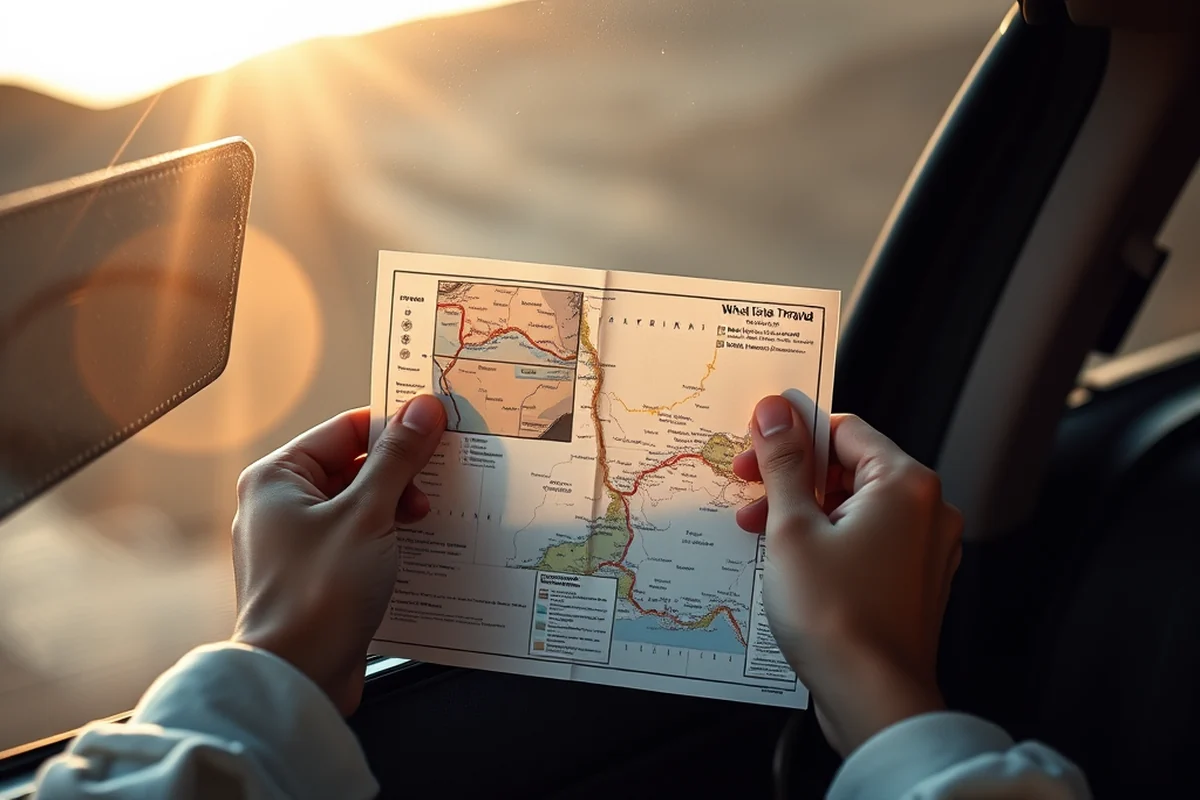
Most people travel to see new things — and that’s completely valid. But immersive travel is different. It’s not about ticking off landmarks or buying souvenirs. Instead, it’s about exploring a culture, understanding its rhythms, and living alongside its people. When I traveled to Peru, I didn’t just visit Machu Picchu — I spent time in Cusco, learning the Quechua language and participating in a local festival. That’s when the real learning began.
Regular travel often prioritizes efficiency. You book flights, hotels, and tours that take you from one place to another in record time. But immersive travel is about slowing down, being present, and allowing yourself to be shaped by the culture. It’s the difference between walking through a market and actually sitting down with a vendor to learn their story.
Immersive travel can be more expensive, but it’s also more rewarding. A 4-day trip to a remote village in Morocco can cost around $680, but the memories you take home are invaluable. You don’t just visit a place — you become part of its story.[1]
Travel is not just about seeing the world — it's about being seen by it.
Related: Immersion suit requirements
What Are the Benefits of Immersive Travel?
One of the biggest benefits of immersive travel is the deep cultural understanding it fosters. When you spend time living with locals, learning their traditions, and participating in their daily lives, you gain insights that no guidebook can provide. I remember the first time I attended a tea ceremony in Japan — it was more than just a cultural experience; it was a lesson in mindfulness, hospitality, and tradition.
Immersive travel also promotes personal growth. It challenges you to step outside your comfort zone, speak a new language, and embrace unfamiliar customs. I once traveled to a remote village in Guatemala where I had to learn how to weave without using a loom — it was difficult, but it taught me patience and resilience.
Perhaps the most rewarding benefit of immersive travel is the connections you make. When you spend time with locals, you form bonds that go beyond the surface. I still keep in touch with a family in Vietnam who taught me how to cook their traditional dishes — and they still visit me in the U.S. Every year.
Even learning a few words in the local language can make a huge difference in your immersive travel experience. It shows respect and opens doors to deeper connections.
“The first time I stepped into a traditional Moroccan tea ceremony, I didn't just see a ritual — I was pulled into a world where…”— Cultural Immersion Travel editors
Related: Wonderful world travel experience reviews
How to Plan an Immersive Travel Experience
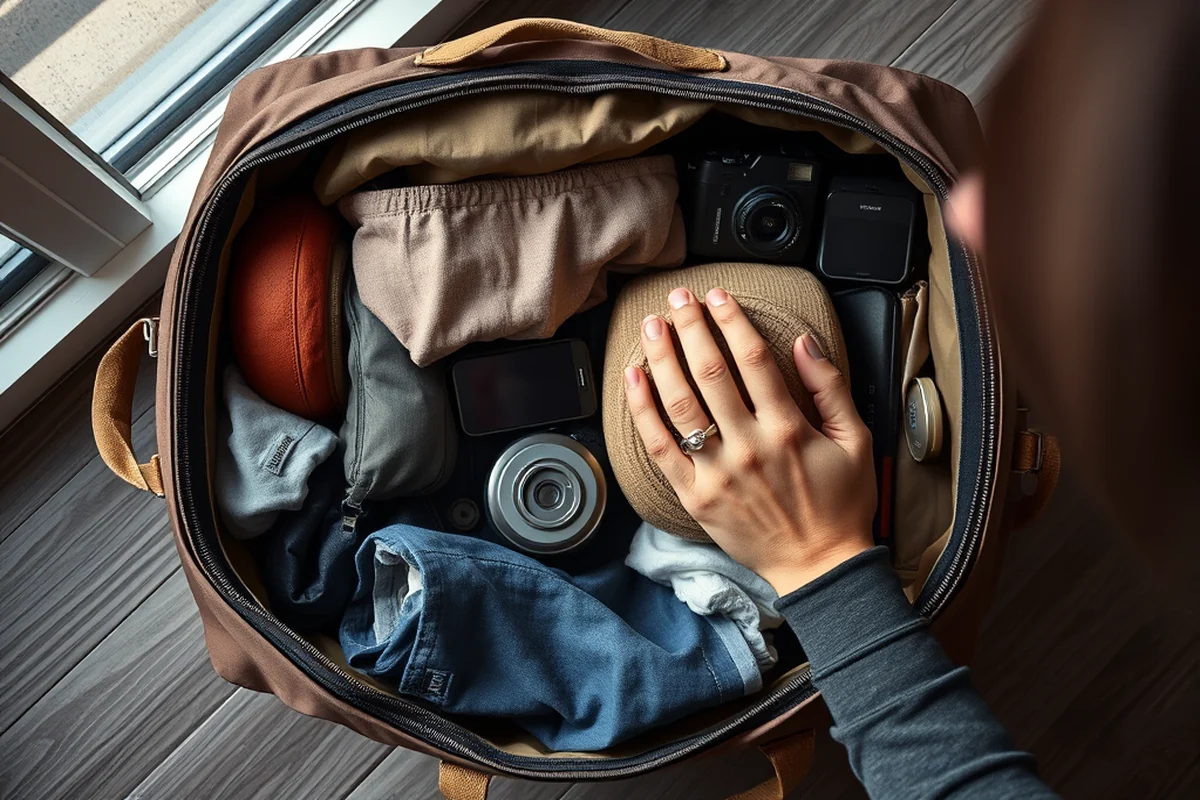
Planning an immersive travel experience requires a shift in mindset. Instead of focusing on efficiency and comfort, you should prioritize meaningful interactions and authentic experiences. Start by researching destinations that offer opportunities for cultural immersion, such as homestays, language exchanges, or community-based tourism programs.
When planning your trip, look for local guides or hosts who can take you beyond the typical tourist routes. I once traveled to a remote village in Kenya where I stayed with a local family and learned about Maasai traditions. That kind of experience is only possible through local connections.
You should also be prepared to be flexible and open-minded. Immersive travel is not about sticking to a strict itinerary — it’s about allowing yourself to be shaped by the journey. That means being willing to adjust your plans based on what you learn and experience along the way.
Related: What does immersion mean in education
The Best Times to Travel for Immersion
Timing can make or break an immersive travel experience. The best time to visit a destination is often during local festivals or seasonal events when the culture is at its most vibrant. I once traveled to Morocco during the Festival of Roses in the Atlas Mountains — it was a once-in-a-lifetime experience that I’ll never forget.
Festivals and events provide unique opportunities to engage with a culture in its most authentic form. Whether it’s attending a traditional dance in Brazil during Carnaval or participating in a harvest festival in Tuscany, these events offer a window into the soul of a place.
That said, it’s important to plan ahead — many festivals and events have limited space or require advance booking. If you’re interested in attending a local event, research the dates and make arrangements in advance to ensure you can participate.[2]
Related: Japan diy travel itinerary
What You Can Expect from Immersive Travel
Immersive travel is not for the faint of heart — it requires courage, patience, and a willingness to embrace the unknown. You’ll be stepping into a culture that may be vastly different from your own, and that can be both exciting and intimidating. But the rewards are immeasurable.
You can expect to learn new skills, make unexpected friends, and gain a deeper appreciation for the world. I once spent a week in a Mongolian ger camp, learning how to ride a horse and prepare traditional meals. It was challenging, but it was also one of the most rewarding experiences of my life.
What you’ll also discover is that immersive travel changes you. It opens your eyes to new perspectives, challenges your assumptions, and leaves you with a sense of connection that lasts long after the trip is over.
Immersive travel doesn’t just change where you go — it changes who you are.
Related: Immersive travel experiences meaning
How to Stay Safe While Immersing Yourself in a New Culture
Safety is an important consideration when engaging in immersive travel. One of the best ways to stay safe is to research local customs and traditions beforehand. Understanding the cultural norms of a place can help you avoid misunderstandings and show respect to the people you’re interacting with.[3]
It’s also important to stay informed about health and safety practices in your destination. I once traveled to a remote village in Nepal where I was advised to bring a specific type of medication for altitude sickness. That small detail helped me avoid a potentially serious situation.
Finally, always be aware of your surroundings and stay in touch with your host or guide. Even in the most welcoming places, it’s important to take basic safety precautions to ensure you have a positive and memorable experience.
💰 Budget Immersive Travel
Experience cultural immersion without breaking the bank by staying in local guesthouses and participating in community-run tours.
✈️ Long Weekend Immersive Travel
Pack a suitcase, book a local homestay, and dive into a culture in just a few days — perfect for those with limited time.
👨👩👧👦 Immersive Travel with Kids
Travel with your family and teach your children about the world through hands-on experiences and cultural exchanges.
🍂 Off-Season Immersive Travel
Experience a destination in its quieter moments, with fewer crowds and more opportunities for deep connection.
💎 Luxury Immersive Travel
Indulge in the finest cultural experiences with private guides, bespoke itineraries, and exclusive access to local traditions.
| The mistake | Why it happens | The fix |
|---|---|---|
| Assuming everything is the same as back home. | Immersive travel requires you to be open to new ways of thinking, living, and interacting — not all traditions or customs will align with your own. | Approach the experience with curiosity and a willingness to learn. Ask questions, and be respectful of local practices. |
| Not preparing in advance. | Failure to research local customs, health advisories, or travel requirements can lead to uncomfortable or even dangerous situations. | Do your homework before you go. Study the local culture, language, and travel guidelines to ensure a smooth and safe experience. |
| Trying too hard to fit in. | Immersive travel is about genuine connection, not pretending to be something you’re not. Trying too hard to blend in can come off as insincere. | Be yourself — and be respectful. Authenticity is the key to meaningful cultural exchange. |
| Not being open to discomfort. | Immersive travel can be physically and emotionally challenging. Not being prepared for discomfort can lead to frustration or disappointment. | Embrace the unknown — and be prepared for the unexpected. The most rewarding experiences often come from stepping outside your comfort zone. |
What Is Immersive Travel
Common Questions
Is immersive travel expensive?
How can I find immersive travel opportunities?
What should I bring on an immersive travel trip?
Can I do immersive travel on a short trip?
References
- The future of recreation on public lands: a horizon scan (research.fs.usda.gov)
- comprehensive plan update - Indiana State Government (in.gov)
- Camping & Outdoor Hospitality Report (outdoorrecreation.wi.gov)
Cite this guide
Cultural Immersion Travel (2026). What Is Immersive Travel. https://culturereader.com/what-is-immersive-travel/
Feel free to cite or share this guide.